




The Afro-Brazilian festival in Ouro Preto celebrates faith, heritage, and resistance.
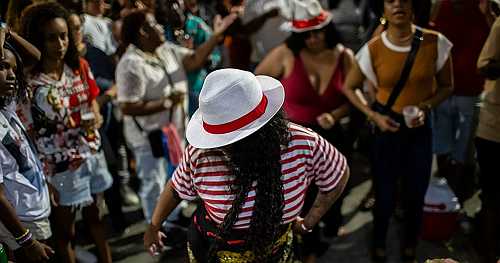 Celebrating Afro-Brazilian Heritage: A Vibrant Festival of Faith, Identity, and Resistance
In the historic streets of Ouro Preto, Brazil, a traditional Afro-Brazilian festival has been taking place for centuries. This vibrant celebration is a testament to the rich cultural heritage of the African diaspora in Brazil, blending Catholic devotion with African traditions in a spectacular display of music, dance, and color.
At its heart lies the Reign of Our Lady of the Rosary, a tradition that embodies faith, identity, and collective memory. For many residents, this festival is a deeply personal expression of their heritage, representing an "ancient, wonderful, ancestral culture that is, above all, alive." Cristina Simão, a retired resident of Ouro Preto, captures the essence of this celebration when she says, "This festival, for me, represents the manifestation of an ancient, wonderful, ancestral culture that is, above all, alive."
The festival has gained official recognition for its cultural significance, with Kedison Guimarães, Captain of the Mozambique Guard of Our Lady of the Rosary and Saint Ifigenia, proudly declaring, "Our Reign of Our Lady of the Rosary, Saint Ifigênia and Saint Benedict—the faith that sings and dances—is today an intangible cultural heritage of Ouro Preto and also of the state of Minas Gerais." This recognition is a testament to the enduring legacy of African traditions in Brazil's cultural landscape.
As we delve into the history behind this festival, we find ourselves drawn to the story of Chico Rei, a legendary Congolese king who was enslaved by the Portuguese but later bought his freedom and became a symbol of resistance in Brazilian folklore. His legacy lives on through this celebration, which serves as a powerful reminder of Afro-Brazilian resilience.
The festival is not just a celebration of heritage; it's also an expression of faith. Participants parade through the colonial city singing and playing percussion instruments, blending Catholic devotion with African traditions in a beautiful display of cultural fusion. This blend of cultures is a testament to the rich history of Brazil, where African, European, and indigenous influences have come together to create a unique cultural identity.
As we witness this vibrant celebration, we are reminded that culture is not just about tradition; it's also about resistance. The Afro-Brazilian festival in Ouro Preto is a powerful statement against the erasure of African heritage and culture. It's a declaration of pride and resilience, a testament to the enduring legacy of African traditions in Brazil.
In an era where cultural identity is increasingly being threatened by globalization and homogenization, this festival serves as a beacon of hope. It reminds us that our cultures are not just static entities but living, breathing expressions of our collective memory and heritage. As we celebrate Afro-Brazilian culture, we are also celebrating the resilience of the human spirit.
As we conclude this journey through the Afro-Brazilian festival in Ouro Preto, we are left with a sense of awe and wonder. This celebration is not just a cultural event; it's an expression of faith, identity, and resistance. It's a testament to the enduring legacy of African traditions in Brazil and a powerful reminder that our cultures are not just static entities but living, breathing expressions of our collective memory and heritage.
In this vibrant celebration, we find ourselves drawn to the rich cultural heritage of the African diaspora in Brazil. We see a people who have been shaped by their history, yet continue to resist and thrive in the face of adversity. We witness a culture that is alive, vibrant, and full of life, a testament to the enduring legacy of African traditions in Brazil.
As we reflect on this celebration, we are reminded that our cultures are not just about tradition; they're also about resistance. The Afro-Brazilian festival in Ouro Preto is a powerful statement against the erasure of African heritage and culture. It's a declaration of pride and resilience, a testament to the enduring legacy of African traditions in Brazil.
In an era where cultural identity is increasingly being threatened by globalization and homogenization, this festival serves as a beacon of hope. It reminds us that our cultures are not just static entities but living, breathing expressions of our collective memory and heritage. As we celebrate Afro-Brazilian culture, we are also celebrating the resilience of the human spirit.
In conclusion, the Afro-Brazilian festival in Ouro Preto is a celebration of faith, identity, and resistance. It's a testament to the enduring legacy of African traditions in Brazil and a powerful reminder that our cultures are not just static entities but living, breathing expressions of our collective memory and heritage. As we continue to navigate the complexities of globalization and cultural homogenization, this festival serves as a beacon of hope, reminding us that our cultures are alive, vibrant, and full of life.
Topic Live