




7 Insights on Iran, Renee Good, and Jerome Powell from Trump’s Interview with Cbs News: Exploring Trump’s Morality
 The Trump Interview: A Glimpse into the Mind of a Leader
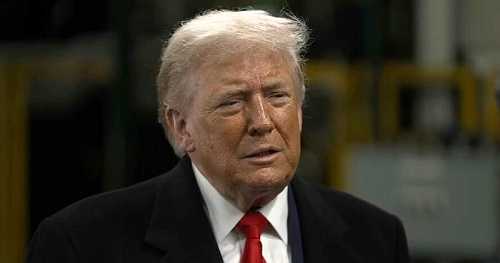
In a recent interview with CBS News, President Donald Trump sat down with anchor Tony Dokoupil to discuss a range of topics, from Iran's ongoing protests to his own views on morality. The conversation was candid, at times contentious, and offered a glimpse into the mind of a leader who has been at the center of controversy for much of his presidency.
As tensions continue to escalate in Iran, where thousands have been killed in a nationwide wave of protests, President Trump issued a stark warning: "The endgame is to win." When pressed on the death toll, which some estimates put as high as 12,000, he acknowledged that it was likely "pretty substantial" and vowed to take action if protesters are executed. This tough stance has sparked debate about the role of the US in international affairs and the limits of presidential power.
But President Trump's views on Iran were only one aspect of a wide-ranging conversation that touched on everything from his economic record to his own personal morality. When asked how he defines his own moral compass, he replied: "I'm a moral person. I don't like seeing death. I don't like seeing our people hurt." This assertion has raised eyebrows among critics who argue that the President's actions often belie his words.
One of the most striking moments in the interview came when Dokoupil asked President Trump about Renee Good, a woman who was shot and killed by an ICE agent in Minneapolis last week. Homeland Security Secretary Kristi Noem had accused Good of committing domestic terrorism, but President Trump took a more nuanced view: "I want to say to the father that I love all of our people... But, you know, her actions were pretty tough." This response sparked outrage among some who saw it as insensitive and dismissive.
The conversation also touched on the role of technology in the US workforce. President Trump predicted that robots would be a "big factor" in the future, helping to address shortages of skilled workers. However, he was less clear about what this might mean for human assembly line workers who could potentially lose their jobs as a result.
Finally, the interview offered a glimpse into President Trump's views on Jerome Powell, the Chairman of the Federal Reserve. When asked if he thought Powell had been a good chairman, he replied: "He's been a lousy Fed chairman." This criticism has sparked debate about the role of the Fed in monetary policy and the impact of presidential pressure on independent institutions.
As we reflect on this interview, it is clear that President Trump remains a complex and multifaceted figure who continues to defy easy categorization. His views on Iran, morality, and technology are just a few examples of the many issues he has grappled with during his presidency. While some may see him as a leader who is out of touch with reality, others will argue that he is simply a product of his time – a reflection of the polarized and often divisive politics of our era.
Whatever one's perspective on President Trump, it is clear that this interview offers a unique glimpse into the mind of a leader who has been at the center of controversy for much of his presidency. As we move forward in these uncertain times, it will be interesting to see how his views continue to shape policy and public discourse.
Topic Live