



Elusive Coastal Marten, Once Thought to be Extinct, Spotted in California
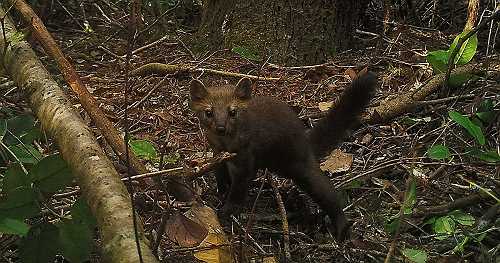 Deep in the coastal forests of northwestern California, a rare and elusive creature has been spotted by remote trail cameras. The coastal marten, once thought to be extinct, has been making headlines with its reemergence in the wild. But what do we know about this enigmatic animal, and how did it manage to evade detection for so long?
A Brief History of the Coastal Marten
The coastal marten, also known as the Humboldt marten, is a small carnivore that inhabits the coastal forests of California and Oregon. Once widespread in the region, its population declined drastically due to mid-century trapping and logging activities. By the 20th century, it was considered extinct, until a small population was discovered in northern California in 1996. Today, only four isolated populations remain, with two colonies living in northwestern California and another two in western Oregon.
New Data Reveals Insights into Coastal Marten Behavior
In 2022, a team of scientists from Oregon State University spent three months collecting data on the coastal marten population near Klamath, California. Using non-invasive survey tools, including hair snares and remote cameras, they gathered information on the martens' habitat preferences and behavior. The data showed that the martens tend to live in forested areas with consistent snow cover, ravines, and riverbanks. Genetic analyses revealed 46 different martens in the study area, with 28 males and 18 females.
What We Still Don't Know About the Coastal Marten
Despite the new data, there is still much to be learned about the coastal marten. OSU wildlife ecologist Sean Matthews notes that 'there's a lot we don't know about this species, including information as basic as what forests do coastal martens still occupy, how many martens are there, and are these populations increasing.' The study highlights the importance of continued research into the habits and habitats of this elusive creature.
The reemergence of the coastal marten in California is a heartening reminder of the resilience of nature. As we continue to learn more about this enigmatic animal, it's clear that there is still much work to be done to protect its habitat and ensure its survival. By supporting conservation efforts and staying informed about the latest research, we can all play a role in preserving the beauty and diversity of our natural world.
Topic Live