



Beef Prices to Remain High Despite Argentina Trade Deal
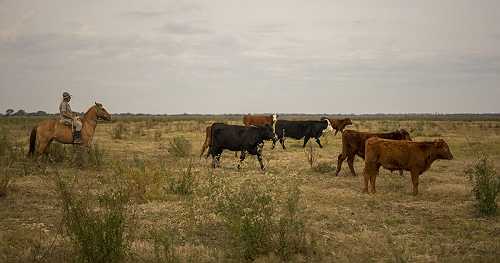 A recent executive order signed by President Trump aims to ease costs for consumers by boosting U.S. imports of beef from Argentina. However, experts warn that this move may have a limited impact on prices, which remain elevated due to a perfect storm of factors.
Argentina Trade Deal Falls Short
The executive order allows Argentina to export an additional 80,000 metric tons of beef to the U.S. tariff-free this year. However, according to David Ortega, a food economist and professor at Michigan State University, this represents only 0.6% of the overall U.S. beef supply – too little to move the needle on prices.
Extreme Weather Conditions Drive Up Beef Prices
The biggest factor behind the jump in beef prices is extreme weather conditions that have shrunk the nation's cattle supply. Droughts, including a recent bout of dry weather in 2022, have made it harder for farmers to grow crops needed for feedstock and forced many cattle ranchers to sell off their beef cows.
Perfect Storm of Factors Contributes to High Beef Prices
The country's beef cattle supply stood at 27.6 million on Jan. 1, down 1% from a year ago. Overall, the total number of cattle in the U.S. is at a 75-year-low. This perfect storm of sustained increase in consumer demand for beef, coupled with a prolonged decrease in the supply of live cattle, has contributed to high prices.
Other Proteins See Price Dips
In contrast, the cost of chicken and eggs, which spiked in 2022 amid an avian flu outbreak, has recently dipped. While prices for other proteins such as pork have also declined, beef prices remain elevated.
The Argentina trade deal may provide some relief to consumers, but it is unlikely to have a significant impact on beef prices. The perfect storm of factors contributing to high prices will continue to drive up costs for consumers until the supply chain is restored and demand decreases.
Topic Live