



Trump's Push for Proof of Citizenship to Vote in Federal Elections
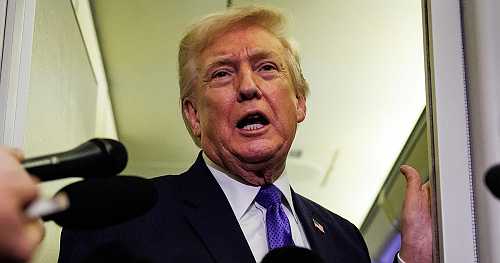 In a move that has sparked controversy and debate, President Trump is pushing for new legislation that would require proof of citizenship to vote in federal elections. But what's behind this proposal, and will it actually prevent non-citizens from voting?
A Rare Problem with a Big Solution
According to President Trump, the current system is vulnerable to voter fraud, with non-citizens casting ballots in federal elections. However, experts argue that instances of this type of fraud are extremely rare. In fact, a study by the Brennan Center for Justice found that between 2000 and 2014, there were only 31 cases of non-citizen voting out of over 1 billion votes cast.
A Proposal with Unclear Consequences
The proposed legislation would require voters to provide proof of citizenship before casting their ballots. But critics argue that this could lead to long lines, confusion, and even disenfranchisement for eligible citizens who may not have the necessary documents. Additionally, some experts worry that the measure could be used as a pretext to restrict voting rights for certain groups.
A Push for Change with Uncertain Outcomes
President Trump's proposal has sparked a heated debate about the role of citizenship in federal elections. While some argue that it's essential to ensure only eligible citizens can vote, others see it as an attempt to restrict voting rights and suppress certain groups' participation. As the proposal makes its way through Congress, one thing is clear: the outcome will have far-reaching implications for American democracy.
The push for proof of citizenship to vote in federal elections has raised important questions about voter fraud, eligibility, and the role of citizenship in our democratic system. As this proposal continues to unfold, it's essential to consider the potential consequences and ensure that any changes prioritize the integrity of our electoral process while protecting the rights of all eligible citizens.
Topic Live