



Inflation Cools Down in January, But Food and Shelter Costs Remain a Concern
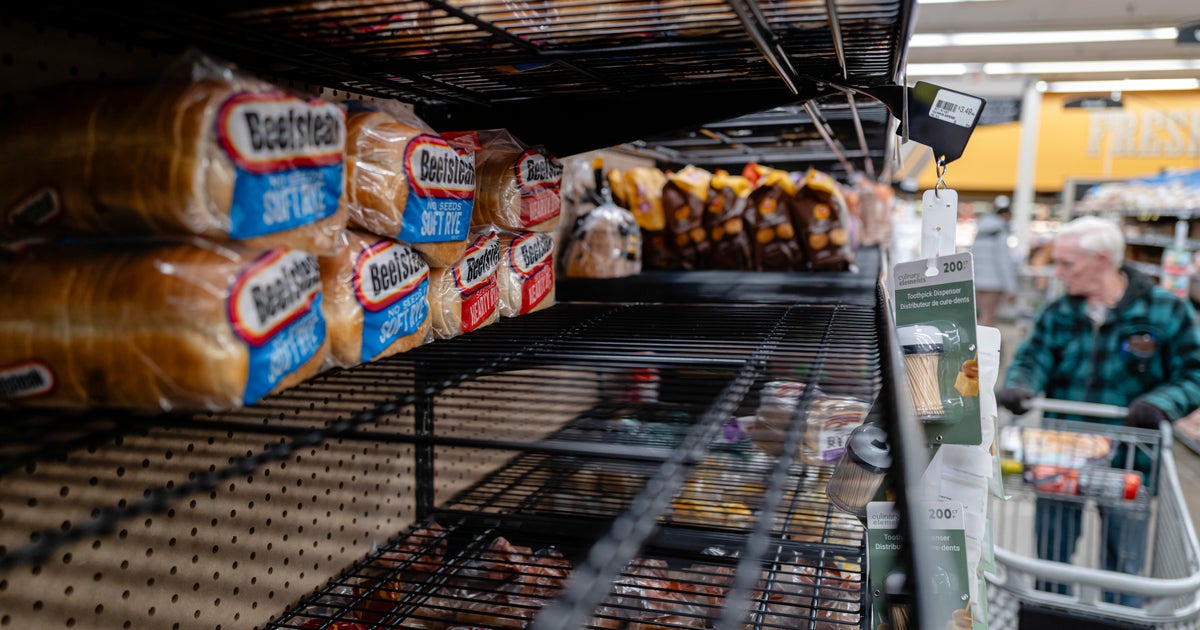 The latest Consumer Price Index (CPI) report has brought some welcome news for consumers: inflation has cooled down in January, with prices rising at a slower pace than expected. However, the relief is short-lived as food and shelter costs continue to climb, leaving many wondering what's behind this trend.
Inflation Slows Down to 2.4% Annual Pace
According to the CPI report, inflation rose by 2.4% in January from a year earlier, coming in below forecasts and signaling some cooling in price pressures. This is the slowest pace of inflation since May 2025, down from December's 2.7% annual rate. The January CPI represents a significant drop from the previous month, providing some much-needed respite for consumers who have been struggling with rising costs.
Food and Shelter Costs Continue to Climb
While inflation may be slowing down, food and shelter costs are still on the rise. In fact, these categories climbed at a faster pace than the overall January CPI rate. Ground beef prices rose by 17.2%, while coffee prices increased by 18.3%. Egg prices, however, continue to ease, falling more than 34% from a year ago.
Core Inflation Hits Lowest Level Since March 2021
So-called core inflation – which excludes volatile food and energy prices – rose by 2.5% over the past 12 months. This is the lowest level since March 2021, indicating that underlying price pressures are easing. However, this trend may not be sustainable in the long term, and policymakers will need to keep a close eye on these numbers.
January Inflation Reading Delayed Due to Government Shutdown
The January inflation reading was delayed due to the partial government shutdown that ended earlier this month. This delay may have contributed to some of the volatility in the data, but it's clear that inflation is still a pressing concern for consumers and policymakers alike.
While the latest CPI report brings some welcome news on slowing inflation, food and shelter costs remain a significant concern. Policymakers will need to carefully monitor these trends and take steps to address the underlying drivers of price pressures. In the meantime, consumers can breathe a sigh of relief that inflation is cooling down – but they shouldn't get too comfortable just yet.
Topic Live