



January CPI Report Brings Encouraging Signs for Consumers and Economy
 The latest Consumer Price Index (CPI) report has brought some much-needed relief to consumers, with inflation falling to its lowest level in nine months. The January reading came in below Wall Street expectations, offering a glimmer of hope that the economy is finally starting to cool down.
Inflation Falls to 2.4% on an Annual Basis
The CPI report showed that inflation dipped to 2.4% on an annual basis, a shade below economists' forecasts of 2.5%. This softer reading surprised some experts, as January CPI data often comes in hotter than other months due to seasonal factors and more rapid price changes at the start of the year.
Core Inflation Remains Sticky
While inflation is cooling, prices continue to rise faster than economists and the Federal Reserve would like. Core inflation, which strips out the more volatile food and energy prices, rose 2.5% year over year, indicating that prices remain somewhat sticky.
Grocery Costs Easing
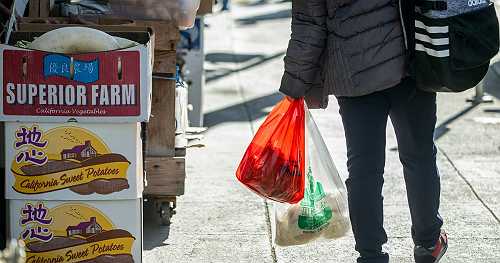
Price hikes at the grocery store are easing, providing some relief for consumers. Food at home – a category that tracks food bought at grocery stores and other retailers for consumption at home – rose 2.1% from a year earlier, cooler than the overall CPI rate. Some grocery items that dropped in price last month compared to a year ago include cheese, fresh fruit, and eggs.
Experts Weigh In
Heather Long, chief economist at Navy Federal Credit Union, said, 'Inflation fell to the lowest level since May, and key items such as food, gas, and rent are cooling off. This will provide much-needed relief for middle-class and moderate-income families.' Stephen Kates, a financial analyst at Bankrate, noted that while inflation is cooling, prices continue to rise faster than economists and the Federal Reserve would like.
The January CPI report offers some encouraging signs for consumers and the economy. While inflation remains a concern, the trajectory of inflation in recent months suggests that prices are finally starting to cool down. As experts point out, this relief is much-needed for middle-class and moderate-income families who have been struggling with elevated prices and cost-of-living concerns.
Topic Live