


Know Your Glaucoma Risks
 Unlocking the Secrets of Glaucoma: Understanding Your Risks
As we navigate the complexities of our health, it's essential to stay informed about the silent threats lurking in the shadows. One such threat is glaucoma, a disease that affects over 3 million Americans and remains the leading cause of blindness in this country. In this article, we'll delve into the world of glaucoma, exploring its risks, symptoms, and prevention strategies.
The Unseen Enemy: Glaucoma's Stealthy Nature
Glaucoma is often referred to as a "silent thief" because it can steal your vision without warning. The most common form of the disease, open-angle glaucoma, typically has no noticeable symptoms in its early stages. This means that even if you're experiencing some vision loss, you might not realize it until it's too late.
Who's at Risk?
Glaucoma is a disease that can affect anyone, but certain groups are more susceptible to developing the condition. Let's take a closer look:
* African Americans: Unfortunately, African Americans are five times more likely to develop glaucoma and suffer permanent vision loss compared to their white counterparts. The disease often strikes at an earlier age – about 10 years earlier on average – and progresses faster.
* Age: As we grow older, our risk of developing glaucoma increases significantly. People over the age of 60 are six to eight times more likely to develop the disease than younger individuals.
* Family History: If you have a family history of glaucoma, your risk of developing the condition is four to nine times higher.
* Medical Conditions: Certain medical conditions like diabetes, high blood pressure, and heart disease may increase your risk of developing glaucoma.
* Corticosteroid Use: Prolonged use of corticosteroids can lead to secondary glaucoma. A study found that adults who required 14 to 35 puffs of steroid inhaler to control asthma experienced a 40% increase in ocular pressure and glaucoma incidence.
Other Factors That Contribute to Glaucoma
In addition to the above risk factors, other conditions can contribute to the development of glaucoma. These include:
* Physical Injuries: Severe trauma to the eye can result in increased eye pressure.
* Extreme Nearsightedness: People with extreme nearsightedness may be more susceptible to developing glaucoma.
* Corneal Thickness: Abnormal corneal thickness can increase your risk of developing glaucoma.
* Retinal Detachment: This condition can lead to increased eye pressure and glaucoma.
Prevention is Key
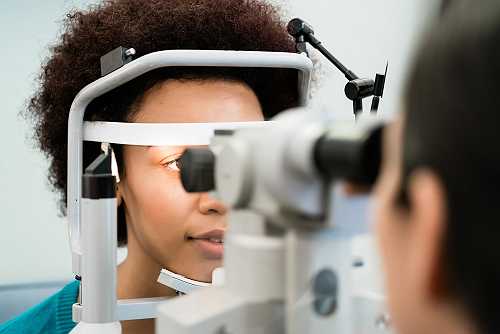
While there's no cure for glaucoma, early detection and treatment can help prevent further vision loss. The American Optometric Association recommends that those at high risk get a complete eye exam, including dilation, every one or two years. With medication or surgery, it's possible to halt the progression of the disease.
Take Control of Your Health
Glaucoma is a disease that demands attention and action. By understanding your risks and taking proactive steps, you can protect your vision and maintain your independence. Remember:
* Get regular eye exams, especially if you're at high risk.
* Manage underlying medical conditions to reduce your risk.
* Avoid prolonged corticosteroid use.
* Stay informed about the latest research and developments in glaucoma treatment.
In conclusion, glaucoma is a silent threat that demands our attention. By understanding its risks, symptoms, and prevention strategies, we can take control of our health and protect our vision. Don't wait until it's too late – schedule your eye exam today and unlock the secrets of glaucoma!
#Asthma #Condition #Diabetes(Type1&Type2) #Health #HeartDisease #diabetes #eyehealth #familyhistory #glaucoma #glaucomarisk #sight #steroids
Topic Live