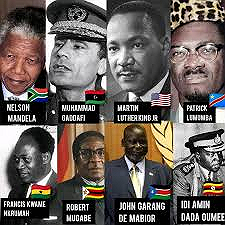




The Unforgettable Legacy: 7 Prominent African Heroes Who Shaped Global History
The Unforgettable Legacy: 7 Prominent African Heroes Who Shaped Global History
History books often skip over Africa's big stories. They focus on Europe or America. But think about it: without African heroes, the world would look different. These seven figures changed lives across continents. They fought for freedom, built nations, and sparked ideas that still burn bright today. A hero here means anyone who stood tall against odds—leaders, warriors, thinkers. This piece dives into their lives and lasting gifts. You'll see how they echo in our world now. Let's honor them and learn what they teach us.
Section 1: Architects of Liberation and Sovereignty
Freedom didn't come easy in Africa. Many heroes led the charge against chains of oppression. Their work built new paths for whole nations.
Nelson Mandela: The Icon of Reconciliation
Nelson Mandela turned pain into peace. He joined the fight against apartheid in South Africa as a young man. Arrested in 1962, he spent 27 years in prison on Robben Island. There, he read books and planned for a better future.
When free in 1990, Mandela pushed for talks, not revenge. He became president in 1994 after the first fair election. He won 62.65% of the votes. That moment ended white rule. His Truth and Reconciliation Commission healed old wounds. People shared stories of hurt to forgive and move on.
Mandela's story inspired the world. Rallies for his release drew crowds everywhere. Today, his name means hope. You can feel it in songs and speeches about unity.
Kwame Nkrumah: Pioneer of Pan-Africanism
Kwame Nkrumah dreamed of one strong Africa. Born in Ghana, he studied abroad and saw the need for change. Back home, he led protests against British rule. In 1957, Ghana broke free—first in sub-Saharan Africa.
That win lit a fire. Other countries followed suit. Nkrumah wrote books like Africa Must Unite. He pushed for shared goals, trade, and defense across borders. Pan-Africanism became his call, linking people from Cape to Cairo.
His ideas shaped groups like the African Union. Even after his ouster in 1966, Nkrumah's vision lives. Leaders today borrow his blueprint for teamwork. What if Africa stayed split? His work says no—together, we rise.
Section 2: Warriors Against Colonial Domination
Colonial powers grabbed land and hearts. But fierce fighters pushed back hard. Their battles redrew maps and minds.
Shaka Zulu: Military Genius and Nation Builder
Shaka Zulu rose from nothing to king. In the early 1800s, he united Zulu clans in South Africa. His army used smart tricks. They trained with short spears for close fights, not long throws. The impi groups moved fast like wolves.
Shaka built a kingdom that scared invaders. Europeans heard tales and paused their plans. He grew the Zulu from small groups to a force of thousands. Yet his rule had dark sides—harsh laws and wars.
Still, Shaka's legacy shines in strategy. Modern armies study his moves. He showed one leader could forge power from pieces. Imagine facing his shield wall; it broke foes every time.
Queen Amina of Zaria: The Iron Hand of Trade and Conquest
Queen Amina ruled in the 1500s, in what's now Nigeria. She led the Zaria kingdom with a warrior's grip. Amina expanded lands through bold raids. Her troops took villages and opened trade paths for cloth and salt.
Walls she built still stand today—proof of her might. As a woman, she broke rules. Men led hunts; she joined and won respect. Her story flips old tales that say women stayed back.
Amina's trade links boosted wealth. Goods flowed to the Sahara. She proved smarts and strength win wars. Young girls look to her now for courage in tough spots.
Section 3: Intellectual Giants and Cultural Preservationists
Brains beat swords sometimes. These thinkers wove words into weapons. They guarded culture and sparked pride.
W.E.B. Du Bois: The Transatlantic Bridge of Thought
W.E.B. Du Bois connected America and Africa. Born in the U.S. in 1868, he fought racism with books and talks. He started the NAACP to push rights. His idea of the "Talented Tenth" said smart Black folks could lead change.
Du Bois organized Pan-African Congresses. These meetings brought voices from both sides of the ocean. He wrote about "double consciousness"—feeling two worlds at once. That hit home for Africans under colonial boot.
In 1961, he moved to Ghana at Nkrumah's invite. There, he worked till his death in 1963. His thoughts fueled freedom fights everywhere. Ever wonder why diaspora stories matter? Du Bois bridged them for us.
- Key works: The Souls of Black Folk (1903)
- Impact: Shaped civil rights and anti-colonial drives
- Fun fact: First Black man to earn a Harvard PhD
Léopold Sédar Senghor: The Philosophy of Negritude
Léopold Sédar Senghor mixed poetry with power. From Senegal, he studied in France but rejected its full hold. In the 1930s, he co-founded Negritude. This movement celebrated African roots, rhythm, and soul against white wash.
Senghor led Senegal to independence in 1960. As first president, he blended French ties with local pride. His poems, like those in Chants d'Ombre, sang of beauty in Black life. Negritude inspired writers from Aimé Césaire to global artists.
His work built cultural walls against loss. Today, it helps folks reclaim identity. Picture French rule trying to erase drums—Senghor beat them back with verse.
Section 4: The Quiet Revolutionaries and Early Resistance
Some heroes spoke soft but stood firm. Their calm acts shook empires. They defended dignity without roar.
Haile Selassie I: Symbol of Unbroken African Dignity
Haile Selassie ruled Ethiopia from 1930 to 1974. He kept the ancient land free from full colonial grasp. In 1935, Italy invaded with poison gas. Selassie fled but spoke to the League of Nations in 1936.
His words rang clear: "It is us today. It will be you tomorrow." That plea exposed fascism's face. It stirred world anger and helped end the attack. Ethiopia stood as Africa's lone holdout.
Selassie pushed the United Nations' birth. He spoke there often for peace. Rastafarians see him as divine, but his real gift was pride. In a sea of conquests, he kept the flag high. His story asks: Who speaks for the voiceless next?
Conclusion: The Continuing Relevance of Heroic Ideals
These seven African heroes left marks that time can't fade. Mandela taught forgiveness after chains. Nkrumah dreamed of unity. Shaka and Amina wielded might for land and trade. Du Bois and Senghor lifted minds and culture. Selassie voiced defiance on world stages.
Their gifts—freedom fights, smart strategies, deep thoughts, proud roots, and bold stands—guide us still. In tough times, they show paths forward.
Don't stop at this read. Grab a biography on Mandela or Senghor's poems. Visit sites like Robben Island or Zaria walls if you can. Dive into their worlds. What will you do with their fire? Share their tales—keep the legacy alive.