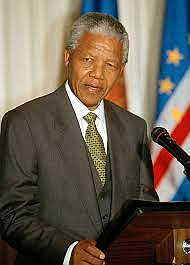




Nelson Mandela's Unbreakable Spirit: A Motivational Blueprint for Resilience and Leadership.
Nelson Mandela's Unbreakable Spirit: A Motivational Blueprint for Resilience and Leadership
Imagine a man stepping out of prison after 27 years. The crowd cheers. He walks tall, fist raised. That's Nelson Mandela on February 11, 1990. His release marked the end of a long fight against apartheid. But it also showed the world what one person's will can do. How did he survive such hardship and come out stronger? This story digs into that question.
We explore Mandela's life as a guide for tough times. From his early days to his time as president, we pull out real lessons on bouncing back and leading others. Key ideas include staying strong, letting go of anger, and guiding with clear principles. These traits turned a prisoner into a global hero.
Early Life and the Crucible of Activism: Forging the Revolutionary
The Roots of Rebellion: Education and Early Influences
Nelson Mandela grew up in a village in South Africa's Eastern Cape. Born in 1918, he came from the Thembu royal family. This gave him a sense of duty early on. His father taught him about justice and tradition.
He left home at 12 to go to school. There, he met Western ideas. At Fort Hare University, he studied law basics. But he got kicked out for joining a protest. Later, at Wits University in Johannesburg, he saw apartheid's grip firsthand. Black people faced daily unfair rules. This sparked his drive to change things. Education opened his eyes to a bigger world.
The Formation of the ANC Youth League and Defiance
Mandela joined the African National Congress in 1944. He helped start its Youth League. They pushed for bolder steps against white rule. No more waiting—time for action. In 1948, apartheid laws got stricter. Blacks lost more rights.
The Youth League grew fast. Mandela became its leader by 1949. They wrote a plan called the Program of Action. It called for strikes and boycotts. This shift moved the ANC from talks to real resistance. Mandela's energy pulled in young people.
The Rivonia Trial: A Defining Moment of Conviction
By 1963, police raided a farm near Johannesburg. They found ANC plans. Mandela and others faced trial for sabotage. The Rivonia Trial put his life at stake. In court, he gave a speech that echoed around the world.
"I am prepared to die," he said. He stood for a South Africa where all races lived equal. No violence for its own sake—just to end oppression. The judge sentenced him to life in prison. But that speech showed his firm belief. It inspired fighters everywhere. Even in chains, his words built a movement.
Imprisonment on Robben Island: The 27-Year School of Hardship
Maintaining Dignity in Isolation: Psychological Fortitude
Robben Island hit hard. Mandela arrived in 1964. Cells were small and cold. Days meant breaking rocks in a lime quarry. Dust burned their eyes. Guards aimed to break spirits with rules and silence.
Yet Mandela kept his head high. He exercised each day. Read books when allowed. He learned Afrikaans, the oppressors' language. This helped him talk to guards as equals. Prisoners formed study groups. They called it their university. Math, history, politics—knowledge kept hope alive.
One guard later said Mandela treated everyone with respect. That calm won him allies. In the worst spot, he built inner strength. It proved the mind can stay free.
The Power of Unbroken Communication and Moral Authority
Walls couldn't stop Mandela's reach. He wrote letters to family and leaders. Smuggled notes planned next steps. Inside, he led debates on strategy. Morale stayed up because he shared the load.
Fellow inmate Walter Sisulu noted Mandela's steady voice. It cut through fear. Even guards listened. One admitted Mandela's presence changed the prison air. He led without a title. This showed true power comes from example.
Through it all, he held to non-racial goals. No hate in his talks. That moral stand drew respect from all sides.
The Strategic Shift: From Uncompromising Activist to Negotiator
Prison forced hard choices. Early on, Mandela pushed armed struggle. But years in showed talks might work better. He saw the government's cracks. By the 1980s, he met officials in secret.
These chats risked his credibility. Yet he pushed for peace. "Dialogue is the only way," he argued. This bend didn't break his core fight. It showed smarts in tough spots. Flexibility turned foes into partners.
The Great Release and the Triumph of Reconciliation Over Revenge
Negotiating Apartheid's End: Pragmatism Meets Principle
As pressure built, talks heated up. International sanctions hit South Africa's economy. By 1989, billions in trade lost. Protests raged inside. Mandela, still jailed, met P.W. Botha then F.W. de Klerk.
He laid out terms: end apartheid, free elections. Risks were high. Betray the cause? No— he stuck to principles. These secret meets paved the way out. His steady hand guided the shift.
The Moment of Freedom: A Lesson in Controlled Emotion
The gates opened. Mandela walked free. Crowds waited for hours. His first words? Thanks to supporters. No rage, just calm resolve. "I stand here before you not as a prophet, but as a humble servant," he said.
That speech set the path. He called for unity, not payback. Emotions ran hot, but he steered them cool. It taught control in chaos. One step, and the nation turned toward healing.
Establishing the Truth and Reconciliation Commission (TRC)
After freedom, Mandela pushed for truth. The TRC started in 1995. It let victims speak. Perpetrators confessed for amnesty. Over 7,000 hearings aired pain and regret.
This wasn't soft. It built trust in a split land. Punish or forgive? Mandela chose heal. The TRC model spread worldwide. It showed justice can mend, not just jail.
Leading the Rainbow Nation: Leadership Through Humility and Service
The 1994 Election and the Burden of Expectation
Elections came in April 1994. Mandela's ANC won big. He became president at 75. The crowd at his swearing-in mixed black, white, Indian, colored. A new flag flew.
Leading meant healing deep wounds. He visited white neighborhoods. Shook hands with old foes. Unity topped his list. "Let there be justice for all," he urged. Humility kept the peace.
Symbolic Gestures of Unity: The Rugby World Cup (1995)
Rugby was a white sport. Blacks saw it as apartheid's game. But Mandela saw chance. In 1995, the World Cup hit South Africa. He rooted for the Springboks.
Final day at Ellis Park. He wore the green jersey. Number six on his back. The team won. He handed the cup to captain Francois Pienaar. Cheers from all races. That moment bridged gaps. Sport became a uniter.
Stepping Down: The Ultimate Act of Servant Leadership
After one term, Mandela quit in 1999. Power tempted many to stay. Not him. He picked Thabo Mbeki as next. "I am your servant," he said at handover.
This choice built strong roots. It showed leaders serve, then step aside. Global polls ranked him top. His exit proved real strength.
Lasting Lessons: Integrating Mandela's Motivation into Modern Life
Cultivating Resilience: Bouncing Back from Setbacks
Mandela's prison years teach endurance. Hard times test you. Build a vision that lasts. When jobs end or plans fail, hold to the goal.
- Wake early for routine.
- Read stories of others who pushed through.
- Talk to friends for support.
One loss doesn't define you. Keep moving, like he did.
The Discipline of Continuous Learning
Even old, Mandela read a lot. In his 80s, he studied new ideas. School never ends.
Pick a book weekly. Join a class. Knowledge sharpens your edge. It turns weakness to power.
Forgiveness as Strategic Power, Not Weakness
Mandela forgave to win. Hold grudges? It chains you. Let go to lead.
In fights at work or home, choose talk over spite. It opens doors. Forgiveness frees you first.
Conclusion: The Enduring Legacy of Madiba
Mandela's path—from activist to elder statesman—shows moral strength, smart changes, and steady hope. His unbreakable spirit lit South Africa and beyond.
Key takeaways to use now:
- Control your space, even when stuck.
- Lead with healing, not hate.
- Focus on the long road.
- Learn every day.
- Step back when it's time.
Mandela's fight proves one voice can shift history. Apply these in your battles. Build a better tomorrow, step by step. What will your legacy be?