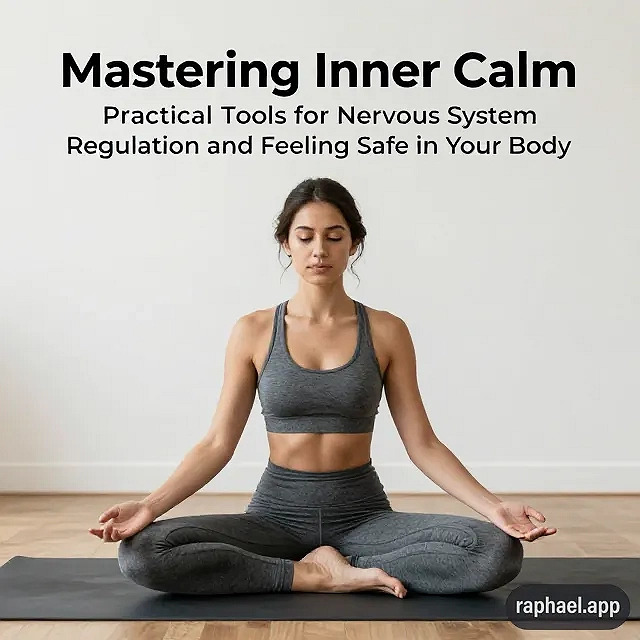



Mastering Inner Calm: Practical Tools for Nervous System Regulation and Feeling Safe in Your Body.
Mastering Inner Calm: Practical Tools for Nervous System Regulation and Feeling Safe in Your Body
Picture this: You're in a meeting, heart pounding like a drum in your chest. Your mind races with worries about what others think. Or maybe you zone out during dinner with friends, feeling numb and far away. These moments hit many of us. They show up as that constant buzz of unease, pulling you from the now.
Your body runs on the autonomic nervous system, or ANS. It acts like an inner alarm, flipping between fight-or-flight mode through the sympathetic side and rest-and-digest calm via the parasympathetic branch. When dysregulated, it fuels issues like endless anxiety, bone-deep tiredness, and scattered thoughts. This piece arms you with real steps to flip the switch. You'll learn ways to ease out of threat mode—fight, flight, or freeze—and into safety, where rest, digestion, and bonds thrive. Take back control of your body's signals.
Understanding the Architecture of Safety: The Nervous System Foundation
Your nervous system shapes how safe you feel. It's not just in your head; it's wired deep in your biology. Tools for nervous system regulation start here, building trust in your own skin.
The Polyvagal Theory Simplified: Social Engagement as the Key
Dr. Stephen Porges uncovered polyvagal theory. It breaks down your responses into three states. The ventral vagal state brings safety and connection, like chatting with a close friend. Sympathetic mode ramps up for danger, pushing you to act or flee. Dorsal vagal kicks in during shutdown, leaving you numb or shut down.
Safety isn't a thought—it's a body signal. The vagus nerve carries these messages like a main road. It links your gut, heart, and brain. When it hums right, you feel grounded. Tune it, and calm follows.
Identifying Your Default Mode: Sympathetic vs. Dorsal Freeze
Spot your patterns to start change. Sympathetic signs include quick breaths, a tight chest, or a pulse that races. You might snap at small things or scan rooms like a hunter. Dorsal freeze brings the opposite: limp muscles, foggy thoughts, or emotional flatline.
Use this quick checklist to self-check:
- Physical cues: Shallow breaths? Jittery legs? Cold hands?
- Emotional hints: Detached from joy? Numb to pain? Hard to focus?
- Daily triggers: Doom-scrolling feeds that mimic old threats, like endless bad news alerts.
Think of a work email that spikes your alert. Or traffic that freezes you in place. Name these, and you own the first step in nervous system regulation.
Grounding Techniques: Immediate Anchors to the Present Moment
When overwhelm hits, quick tools pull you back. These target the parasympathetic side fast. They cut through the chaos, helping you feel safe in your body right now.
Somatic Check-Ins: Orienting to Your Environment
Tune into your senses to break free from worry loops. The mind wanders to what-ifs or old hurts. Sensory pulls snap you here.
Try the 5-4-3-2-1 method. Name five things you see, like the blue mug on your desk. Four you can touch, such as the fabric of your shirt. Three you hear, maybe distant birds. Two you smell, like fresh coffee. One you taste, even your own breath.
In a tense call, grab a cold water bottle. Feel its chill against your palm. It anchors you, slows the spin. Your prefrontal brain wakes up, dialing down the alarm.
Vagal Toning Through Breathwork: The Physiological Sigh
Breath hits the vagus nerve direct. It's your quickest path to calm. One pattern stands out: the physiological sigh.
Do two quick inhales through your nose. They stack air in your lungs. Then let out one long, slow exhale. Repeat a few times. Studies from places like Stanford show it drops stress fast. Heart rate steadies in seconds, as carbon dioxide balances out.
Picture stress like a balloon. This sigh deflates it. Use it before bed or in line at the store. Feel the shift? That's regulation at work.
Movement and Embodiment: Releasing Stored Stress Energy
Stress hides in your muscles, not just memories. Movement shakes it loose. Go beyond thinking—let your body lead to feel safe inside.
Tremoring and Shaking: Completing the Survival Response
Animals tremble after scares. A gazelle shakes off a lion's chase. Humans freeze mid-threat, leaving energy stuck.
Start simple. Stand tall. Let your knees bend a bit. Shake your arms and legs gently, like drying off after rain. Do it for one minute. No force, just allow. Techniques like Trauma Releasing Exercises build on this.
After a fight with a loved one, try it alone. The wobbles release tension. Judgment-free, your body finishes what it started. Safety returns as the buzz fades.
Resourcing Through Proprioception and Posture
Your pose talks to your nerves. Slouch signals defeat; open stance says strength.
Press your feet into the ground. Feel the weight hold you. Or stretch arms wide, chest out. This builds a sense of space inside.
In a crowded bus, root your soles down. It creates containment, like roots in soil. Add twists or nods. Proprioception—your body sense—grows. You embody safety, not just chase it.
Cultivating Connection: The Neuroception of Safety in Relationships
We wire for bonds. Safety blooms with others. Your nerves pick up cues from faces and voices, tuning your state.
Co-Regulation: Utilizing Safe Human Interaction
Co-regulation means mirroring calm from trusted folks. Your system syncs to theirs, like dancers in step.
Seek soft gazes with a pal. No stare-downs. Or listen deep, no interrupting plots. Walk beside someone, not facing. The side-by-side eases pressure.
At a park, chat with a dog walker. Their steady vibe rubs off. Feel your shoulders drop? That's your nerves borrowing peace.
Toning the Vagus Nerve Through Sound and Voice
Sound vibrates the vagus direct. It ties to your throat and ears.
Humming works wonders. Close your eyes. Hum a low tune, feel the buzz in your chest. Or sigh long and deep, like releasing a weight.
Chant "om" softly. The low tones soothe. In traffic jams, groan it out. Resonance builds calm, linking you to safety's hum.
Sustainable Integration: Making Regulation a Habit
Quick fixes shine, but habits build lasting calm. Train your nerves like a muscle. Neuroplasticity lets safety stick.
Mapping Your Window of Tolerance (WOT)
Your window of tolerance is the sweet spot. Inside, you think clear and feel steady. Outside, hyper hits with rage or speed. Hypo brings numb lows.
Track it daily. Note triggers: Crowds push you high? Solitude drops you low? Pick your go-to: Breath for rev-up, shake for freeze.
Journal entries help. "Morning coffee spiked me; sigh brought me back." Personal maps guide you, widening that window over time.
Environmental Design for Safety
Your space shapes your nerves. Cut threats to let calm grow.
Audit lights: Dim blues at night. Swap scrolls for books. Add plants or soft lamps at home.
In your office, clear clutter. Play gentle sounds. These tweaks signal "all clear" to your system. Less triggers mean more ease in feeling safe in your body.
Conclusion: Owning Your Nervous System's Response
Nervous system regulation boils down to this: Safety is a skill you build. Breath quiets the storm. Movement frees the hold. Connection shares the load.
You've got tools now—from sighs to shakes, gazes to hums. Pick one today. Notice the shift. You're not stuck in edge mode. Step in as the boss of your calm. Reclaim that steady beat inside. Your body waits for you to lead.