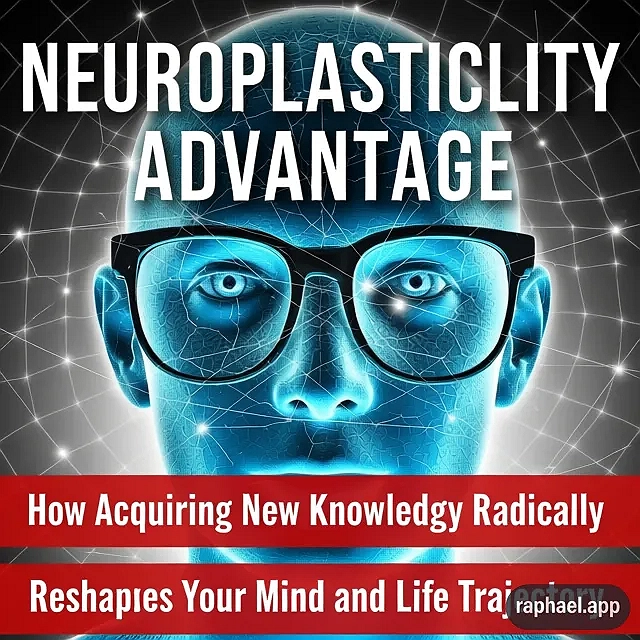


The Neuroplasticity Advantage: How Acquiring New Knowledge Radically Reshapes Your Mind and Life Trajectory
The Neuroplasticity Advantage: How Acquiring New Knowledge Radically Reshapes Your Mind and Life Trajectory
Once, experts thought the brain locked in after childhood. Like concrete setting hard. But now we know better. Science shows the brain stays flexible all life long. This power comes from neuroplasticity. It lets your mind change based on what you do and learn.
Picture this: a kid picks up a skill fast. An adult can too, with the right push. Neuroplasticity makes it happen. It turns new info into lasting brain shifts. These changes boost how you think, work, and live. Deliberate steps to gain and use fresh knowledge don't just add facts. They rebuild your brain's wiring. This leads to sharper smarts, better jobs, and a stronger path forward.
Decoding Neuroplasticity – The Brain’s Innate Adaptability Engine
Neuroplasticity means the brain alters its own structure and function from experiences. It happens through learning, habits, or even injury recovery. At its core, this process keeps your mind ready for whatever comes next.
Think of the brain as a busy city. Roads form and shift with traffic. New knowledge acts like detours that become main streets over time.
Synaptic Pruning and Synaptogenesis: Building and Refining Neural Connections
Your brain trims weak links and grows strong ones. This is synaptic pruning and synaptogenesis. When you learn, often-used paths get stronger via long-term potentiation. It's like muscles growing from workouts.
Each time you practice a skill, synapses fire more easily. New connections sprout too. This builds a network tailored to what you value.
Studies show musicians have denser auditory areas. Their brains adapt to sounds they play daily. You can spark this with any new pursuit.
Hebbian Learning and the "Neurons That Fire Together, Wire Together" Principle
Hebbian learning says cells that activate at the same time link up. Repeat it, and the bond sticks. This rule explains why habits form so quick.
You grab a concept once. It fades. But use it again and again? It carves a deep groove. Retrieval turns instant, like muscle memory for thoughts.
Kids learn language this way. Adults do too, when they chat in a new tongue daily. The wiring gets tight and reliable.
Structural Plasticity: Gray Matter Density Changes
The brain's gray matter can grow or shrink with use. It's not just electrical. Physical shifts happen inside.
Take London cab drivers. They study routes for years. Scans reveal bigger hippocampi, the map-making part. Expertise literally expands their brains.
Jugglers see similar changes after weeks of practice. Gray matter in motor areas thickens. Your brain molds to fit new demands, no matter your age.
The Cognitive Payoff: How Learning Sharpens Mental Tools
Gaining skills does more than fill your head. It hones core thinking powers. Active learning turns vague ideas into sharp tools you wield every day.
Why settle for rusty edges? Fresh challenges polish them bright.
Enhancing Executive Functions: Focus, Planning, and Cognitive Flexibility
Tough subjects train the front brain. That's the prefrontal cortex. It handles attention, goals, and switches between tasks.
You juggle math and history? Focus tightens. Planning improves as you map out steps. Flexibility grows when you pivot ideas.
Bilingual folks switch languages smooth. Their brains handle chaos better. Apply this to work, and deadlines lose their bite.
Boosting Crystallized and Fluid Intelligence
Crystallized smarts come from stored facts. Fluid ones solve fresh puzzles. Learning builds both in a loop.
You stack knowledge from books or classes. That base lets you tackle unknowns. Fluid intelligence rises as patterns click faster.
Chess masters spot moves quick. Their crystalized rules fuel fluid plays. You gain this edge with steady practice.
Building Cognitive Reserve Against Decline
Cognitive reserve acts like a buffer. A rich brain network fights off aging or illness. It buys time before problems show.
Active learners delay dementia signs. Studies link lifelong study to slower decline. One report says each extra year of education cuts risk by seven percent.
Your mind becomes a fortress. Complex paths mean more ways to reroute around damage.
Applying Knowledge: The Critical Bridge Between Theory and Rewiring
Reading alone won't cut it. You need to use what you learn. That's the spark for deep brain shifts.
Passive intake is like window shopping. Hands-on turns it into ownership.
The Importance of Deliberate Practice and Immediate Feedback Loops
Deliberate practice means focused effort with quick checks. You try, fail, adjust. This beats mindless repetition.
Feedback loops seal the deal. A coach spots errors right away. Synapses strengthen from the correction.
Writers revise drafts fast. Each round wires better phrasing. Skip this, and gains stay shallow.
Interleaving and Context-Dependent Learning for Robust Memory Encoding
Mix up topics in sessions. That's interleaving. It builds ties between ideas.
You study math then history. The brain forges flexible cues. Recall works in real spots, not just quiet rooms.
Athletes train in varied weather. Skills stick anywhere. Your learning gets tough and versatile this way.
Real-World Case Studies: From Language Acquisition to Complex Skill Mastery
Benny Lewis learned eight languages fast. He spoke from day one, not just studied. His brain adapted quick through use.
A surgeon picked up robotics after mid-career. Hands-on sims rewired motor skills. He led new ops teams soon.
Even hobbyists transform. A retiree mastered coding at 70. Apps he built changed his daily routine.
The Life Trajectory Shift: Career Resilience and Personal Evolution
Brain changes spill into your world. Better wiring means better chances. Careers stabilize, and you grow as a person.
It's not abstract. Tangible wins follow the internal work.
Future-Proofing Your Career in Automation-Prone Industries
Machines take routine jobs. But learning speed? That's human gold.
You master AI tools now. Tomorrow, you design them. This meta-skill keeps you ahead.
Factory workers who learned programming stayed employed. Their adaptability beat the bots.
Developing Enhanced Problem-Solving Frameworks Across Domains
One field's lessons aid another. Systems thinking crosses lines.
You learn finance basics. It sharpens business fixes in marketing. Innovation blooms from shared frames.
Engineers who studied biology solved medical device glitches. Cross-pollination sparks breakthroughs.
Fostering Psychological Resilience Through Demonstrated Adaptability
Prove you can learn hard stuff. Confidence surges. Setbacks feel smaller.
You conquer a tough course. Life's bumps hit less hard. You know growth is possible.
Therapists note this effect. Clients who skill-build report less anxiety. Adaptability builds inner strength.
Actionable Strategies to Maximize Your Neuroplastic Advantage
Ready to start? Simple steps trigger changes. Backed by research, they fit any schedule.
Pick one today. Watch your mind shift.
Integrate Novelty: Seeking Out True Cognitive Friction
Dive into unfamiliar turf. That's where growth hides.
- Commit to a class outside your field. Coders try painting. Writers learn basic physics.
- Set a 30-minute daily slot. Push through the confusion.
- Track small wins. They build momentum.
A study found novices in new tasks grew brain connections fastest. Friction forges the steel.
Optimize Sleep and Nutrition for Synaptic Consolidation
Rest locks in daytime gains. Food fuels the build.
- Aim for seven to nine hours nightly. Slow-wave sleep cements paths.
- Eat omega-3 rich foods like fish or nuts. They support new links.
- Avoid screens before bed. Let the brain settle.
Research ties poor sleep to weak memory. Good habits double learning power.
The Power of Teaching and Explaining New Concepts
Teach to lock it down. The protégé effect makes you master faster.
- Explain ideas to a friend or online group. Gaps show up quick.
- Record yourself. Playback reveals fuzzy spots.
- Start small. Break complex topics into bites.
Students who tutor peers score higher on tests. You organize deep when you share.
Conclusion: Your Mind, Continuously Under Construction
Neuroplasticity proves your brain rebuilds with effort. Acquiring new knowledge starts the work. Applying it drives real change.
You gain sharper focus, smarter solves, and tough reserve. Careers thrive on this edge. Personal strength follows close.
See every hurdle as a build site. Grab a new skill today. Upgrade your mind. Shape a bolder path ahead.