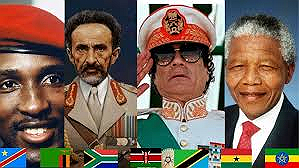




The Pantheon of Pan-Africanism: Ranking the Best African Leaders Who Ever Lived
The Pantheon of Pan-Africanism: Ranking the Best African Leaders Who Ever Lived
What makes a leader truly great in Africa? It's not just winning battles or building roads. Greatness shows in how they fought for freedom, built nations that last, and inspired people to dream bigger. Think about leaders who ended chains of oppression or sparked economic hope amid chaos. Some shone bright for years, others just months, but their mark on history endures. Short wins fade fast, yet strong systems they left behind keep nations strong. This piece ranks top African leaders by their deep impact. We look at figures from old fights for independence to new paths in peace and growth. Their stories span countries and times, showing what bold choices can do for a whole continent. You'll see why these icons still guide us today.
Section 1: Architects of Independence and Sovereignty
Africa's freedom didn't come easy. Leaders in this group broke colonial yokes and dreamed of a united front. They faced guns, spies, and doubt, yet pushed forward. Their work set the tone for self-rule across the map.
Nelson Mandela: The Icon of Reconciliation
Nelson Mandela turned pain into peace. He spent 27 years in jail for fighting apartheid in South Africa. Once free, he led the nation as president from 1994 to 1999. He tore down racist laws that split people by skin color.
His big win was the Truth and Reconciliation Commission. This body let victims share stories and forgave some wrongs to heal deep scars. It became a blueprint for fixing broken societies worldwide. Mandela earned the Nobel Peace Prize in 1993 for this calm strength.
After leaving office, his voice rang out globally. He called out leaders who ignored human rights. Mandela's life proves forgiveness can rebuild trust. Imagine a world without his steady hand—South Africa might still burn.
Kwame Nkrumah: Visionary of Pan-African Unity
Kwame Nkrumah lit the fire for Africa's freedom wave. In 1957, he made Ghana the first black-led nation south of the Sahara to gain independence. As prime minister, then president, he built schools and roads to lift his people.
Nkrumah's big idea was Consciencism, a mix of socialism and African roots. He wanted one strong Africa, not weak states pulled by outsiders. He started talks for the Organization of African Unity in 1963, now the African Union.
He pushed hard for an African Common Market to boost trade inside the continent. Nkrumah's dream faced coups and exile in 1966, but his words echo. Leaders today still quote him on unity. Without him, Africa's map might look scattered and small.
Patrice Lumumba: Martyr for True Decolonization
Patrice Lumumba served as Congo's first prime minister in 1960, right after independence from Belgium. His voice thundered against leftover colonial tricks. He spoke plain truths at the UN, shaming powers that meddled in African affairs.
Lumumba refused deals that kept Congo weak. He wanted full control over resources like copper and diamonds. But foreign hands, with local traitors, plotted his end. Assassins killed him in January 1961, just months into his role.
His death sparked outrage and endless talk of neocolonial traps. Lumumba stands as a warning: quick peace often hides chains. Heroes like him remind us true freedom demands risk. Congo's struggles today trace back to that stolen chance.
Section 2: Nation Builders and Economic Reformers
Once flags rose, the real work began. These leaders rolled up sleeves for schools, jobs, and fair shares. They tackled poverty head-on, often borrowing ideas from afar to fit African soil. Their plans mixed heart with smart steps.
Julius Nyerere: The Ujamaa Experiment
Julius Nyerere guided Tanzania from 1964 to 1985 as its president. He rolled out Ujamaa, a family-style socialism. Villages formed to share farms and tools, aiming for equal starts for all.
This plan boosted literacy to over 90% by the 1980s, a huge jump from colonial days. It knit tribes into one proud nation, cutting old fights. Sure, farms lagged due to forced moves, but unity stuck.
Nyerere always said Africans fix African woes best. He shunned big loans that trap nations. His self-reliance push inspires green farms today. Tanzania's calm borders owe much to his quiet wisdom.
Lee Kuan Yew's Influence on African Policy Makers
Lee Kuan Yew led Singapore from a poor port to a tech powerhouse. Though not African, his blueprint shaped minds like Rwanda's Paul Kagame. African leaders saw how strict rules and smart bets turned dirt into dollars.
Kagame copied Singapore's anti-graft squads after 1994's horrors. Rwanda now ranks high in ease of doing business, up from rock bottom. Other spots, like Kenya's tech hubs, echo Yew's focus on clean ports and fast courts.
Post-war states grabbed these tools: cut red tape, train youth in code, build roads that link farms to markets. Yew's shadow proves ideas travel borders. African reformers ask: why not our turn for that boom?
Seretse Khama: Pragmatism and Modernization in Botswana
Seretse Khama took Botswana to independence in 1966 and led as president till 1980. He turned a desert land with few resources into Africa's steady star. Diamonds poured in from 1967, but he spent wise.
Khama set up trusts to save cash, dodging the curse that sinks oil-rich spots. Botswana's growth hit 9% yearly in the 1970s. He put law above clan pulls, keeping elections free and fair.
Today, Botswana boasts low corruption and solid health care. Khama's choice—people over pockets—built a model. Small nations watch and learn: manage wealth right, and it lasts generations.
Section 3: Leaders Navigating Post-Conflict Transitions
Wars leave ruins, but these figures rebuilt from ashes. They mended wounds, drew foreign aid, and set rules for fair play. Their grit turned despair to dawn, step by tough step.
Ellen Johnson Sirleaf: Leading Liberia Through Fragile Peace
Ellen Johnson Sirleaf broke glass ceilings in 2006 as Liberia's president, Africa's first woman elected to lead. Civil wars from 1989 to 2003 killed thousands and wrecked homes. She faced empty coffers and shattered trust.
Her team chased crooks, clawing back millions in lost funds. She won debt relief, slashing Liberia's bill from $4.3 billion to $1.1 billion by 2010. Roads and schools rose again, pulling kids from streets.
Sirleaf shared the 2011 Nobel Peace Prize for women's rights push. Liberia's peace holds, thanks to her steady hand. She shows women can steer ships through storms.
Paul Kagame: The Rwandan Economic Renaissance
Paul Kagame stepped up after the 1994 genocide that claimed 800,000 lives. As president since 2000, he locked down security first, then chased growth. Rwanda's GDP jumped from $2.5 billion in 2000 to over $13 billion by 2023.
Tech boomed: Kigali now hosts drone deliveries for meds. Health improved too—child deaths dropped 70% since 2000. Kagame's "Vision 2020" plan ranks Rwanda 38th in business ease, tops in East Africa.
Critics note tight media controls, but stability draws investors. Kagame bets on youth and wires over grudges. Rwanda's rise asks: can order spark real change?
Goodluck Jonathan and Democratic Precedent
Goodluck Jonathan served Nigeria from 2010 to 2015 amid oil spills and bombs. His term had ups and downs, like graft scandals. Yet one move changed the game: he gave up power after losing the 2015 vote.
This quiet handoff stopped riots that plagued past polls. Nigeria, Africa's giant, set a bar for West Africa's young democracies. No tanks rolled; crowds cheered calm.
Jonathan's act rippled to Gambia and beyond, where losers now bow out. It proves leaders can choose peace over pride. Nigeria's future polls lean on that bold example.
Section 4: Enduring Philosophical Legacies and Future Impact
Ideas outlast thrones. These leaders' thoughts fuel fires in new generations. They teach that true power builds others up, not just self.
The Continuing Relevance of Thomas Sankara’s Ideology
Thomas Sankara ruled Burkina Faso from 1983 to 1987, a short blaze that lit minds. He dubbed it the Burkina Faso Revolution, slashing waste and arming women. Literacy soared as he built 350 schools in a year.
Sankara planted 10 million trees to fight desert creep. He ditched fancy cars for bikes and shunned French aid strings. His anti-corps talk rang at UN halls.
Assassins cut him down at 37, but youth chant his name. Activists in Mali today fight graft with Sankara quotes. His life screams: lead simple, serve bold.
Institutionalizing Democracy Over Personality Cults
Many greats stumbled here—strong men, weak systems after them. Nkrumah's Ghana slid to one-party rule post-coup. Mandela built courts, yet South Africa's graft creeps back.
Look at failures: Zimbabwe under Mugabe turned hero to tyrant without checks. Strong spots like Botswana thrive on shared rules, not one face.
To spot real leaders now, check if they train teams and free press. Skip charm; seek laws that bind all. Build that, and Africa rises firm.
Conclusion: Measuring the Immeasurable – Key Takeaways
Africa's best leaders wore many hats: fighters, builders, healers. From Mandela's bridge over hate to Sankara's green dreams, they shaped paths we walk. "Best" fits each era's needs—freedom then, growth now.
One big lesson: top leaders craft clear rules that outlive them. They hand off power smooth, letting nations breathe free.
Another: real wins push self-rule and fair play. Africa's road to strength starts there.
What about today's chiefs? Weigh them by these marks. Share your thoughts below—which leader fires you up most? Dive into their books or visits; let their fire guide your vote.