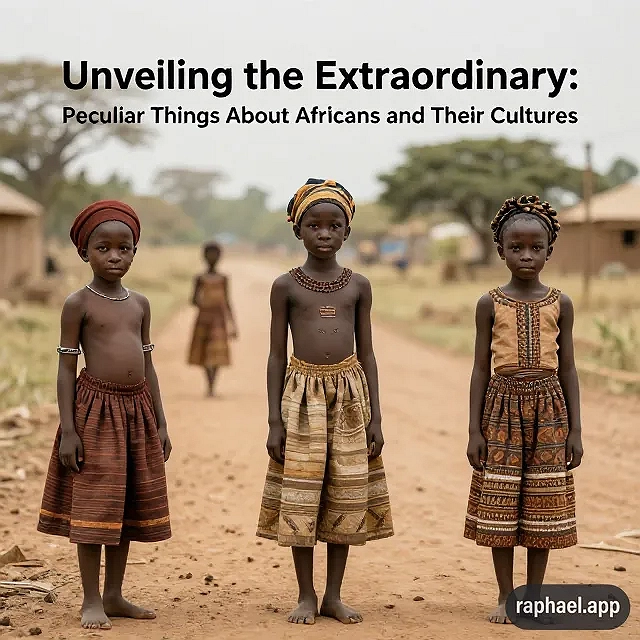




Unveiling the Extraordinary: Peculiar Things About Africans and Their Cultures
Unveiling the Extraordinary: Peculiar Things About Africans and Their Cultures
Africa often gets painted with a single brush in movies or news clips. You might picture vast savannas or ancient pyramids, but that's just a tiny slice. This continent holds 54 nations, over 2,000 languages, and endless ways of life that clash with Western ideas. What seems odd at first glance reveals deep roots in history and community. These peculiar things about Africans aren't flaws. They shine as vibrant threads in a massive cultural quilt. Let's dive into some standout features that make African societies so unique.
Diverse Communication: The Nuances of African Language and Non-Verbal Cues
Words carry weight, but in Africa, they twist in ways that surprise outsiders. Communication here mixes sounds, tones, and silent signals into a rich code. You can't grasp it all at once, yet each part ties people closer.
The Million Tongues: Linguistic Diversity and Tonal Languages
Africa boasts more languages than any other place on Earth. Over 2,000 tongues span families like Niger-Congo, which covers much of West and Central Africa, and Afro-Asiatic, common in the north. This variety stems from ancient migrations and isolated groups, creating a babel that fuels creativity and trade.
Take tonal languages, a hallmark of many African tongues. In Yoruba, spoken by over 40 million in Nigeria, the pitch of your voice changes a word's meaning. "Oka" can mean "corn" with a high tone, but "wife" if you drop low. Igbo in eastern Nigeria works the same way. Speakers must master these rises and falls from childhood, much like learning music notes. For English users, this feels tricky, as our words stay flat in pitch. Yet it adds layers to stories and songs, making poetry come alive in ways flat languages can't match.
This linguistic mix shapes daily chats. Proverbs pop up everywhere, packing wisdom into short sayings. You hear them in markets or family talks, turning simple talks into lessons. Such diversity keeps cultures sharp and adaptive.
Body Language Beyond Words: Gestures and Taboos
Non-verbal cues speak louder than shouts in many African settings. A nod or hand flick can mean respect or insult, depending on the spot. These habits build trust or spark fights if ignored.
In East Africa, like among the Maasai, folks point with their chin or lips, not fingers. Using a finger might seem rude, as if you're accusing someone. In West Africa, the left hand stays clear for eating or giving gifts. Right hands show cleanliness and honor, rooted in hygiene rules from old times. Break this, and you offend without a word.
Taboos add another layer. In some Ethiopian groups, direct eye contact with elders feels bold or challenging. You lower your gaze to show humility. Smiling too wide at strangers might read as mockery in parts of Sudan. These rules keep harmony in tight-knit groups. They remind you that bodies tell stories words alone can't.
Unique Rhythms of Social Structure and Kinship
Family isn't just blood here—it's the backbone of life. African social webs stretch wide, pulling in cousins, aunts, and even neighbors. This setup challenges the lone-wolf style many know elsewhere.
The Ubiquity of Extended Family and Communal Living
Extended families rule in most African homes. Ubuntu, a Southern African idea, sums it up: "I am because we are." It means your success lifts the group, not just you. Wealth flows to kin, from money to food, building safety nets that last generations.
Homes reflect this bond. In rural Nigeria, compounds house several families under one roof or nearby huts. Grandparents raise kids while parents farm or trade. In urban Kenya, apartments buzz with relatives sharing chores and laughs. This closeness cuts loneliness but demands compromise. Fights get settled through talks, not courts.
Stats back the strength: About 70% of Africans live in such setups, per UN data. It fosters skills like storytelling at night or group farming. You learn early that one person's win is everyone's.
Navigating Age and Respect: Formal Hierarchies
Age commands respect like a quiet king. Elders hold sway in decisions, from marriages to village rules. Youth listen first, speak last, honoring wisdom earned over years.
Greetings show this clear. In Yoruba land, younger folks kneel or bow to seniors. In Senegal's Wolof culture, you might prostrate fully for deep respect. These acts aren't showy—they seal bonds and teach humility. Skip them, and you look wild or lost.
In meetings, elders sit at the head. Their words guide, even if youth bring new ideas. This hierarchy keeps order but adapts; young voices rise in cities now. Still, it roots society in care for the old, flipping modern youth-first views.
Distinctive Aesthetics: Fashion, Adornment, and Symbolism
Beauty in Africa goes beyond skin—it's a message etched in cloth and skin. Outfits and marks tell your story, from tribe to triumphs. These styles blend art with life lessons.
The Language of Fabric: Symbolism in Textiles and Patterns
Fabrics whisper histories through bold colors and weaves. Kente cloth from Ghana's Ashanti people dazzles with stripes that stand for proverbs. Gold threads mean wealth; black ones nod to the earth.
Ankara prints, popular across West Africa, burst with wax-resist dyes. A swirl might signal joy at weddings, while checks show maturity. Women pick wraps based on status—brides glow in white for purity. Men tie sashes for ceremonies, each pattern a badge.
These textiles aren't just pretty. They carry tales from slave trade days or colonial fights. Today, designers mix them with jeans, keeping old meanings alive. You see status at a glance, no words needed.
Body Modification and Adornment as Cultural Markers
Marks on the body mark life's turns. Scarification in Ethiopia's Karo tribe carves patterns with thorns, showing bravery or clan ties. Scars fade into proud maps of endurance.
Hairstyles code deep info. Fulani women in Mali and Nigeria braid cornrows with beads for marital hints—loose for single, tight for wed. Maasai in Kenya string beads in colors that scream warrior status or family role. Red beads ward off evil; blue ties to cattle herds.
Jewelry adds flair. Himba women in Namibia rub ochre on skin and hair for protection and beauty. These aren't fads—they're shields and stories. In a world of quick trends, such adornments last, tying folks to roots.
Culinary Quirks: Unexpected Flavors and Eating Rituals
Food binds hearts here, often shared from one pot. Tastes shock at first—ferments and spices dance wild. Yet they fuel bodies and souls across the land.
Staple Foods That Define Regions
Staples anchor meals, simple yet key. Fufu, a West African dough from cassava or plantains, balls up sticky for soups. You swallow it whole with spicy broths of fish or meat. Prep takes pounding, a group chore that sings with rhythm.
In East Africa, ugali from cornmeal firms like polenta, scooped for stews. Ethiopia's injera, a sour flatbread from teff grain, sours from fermentation. It laps up wat curries, tangy and filling. These carbs power long days, but their chew and funk surprise Western palates.
Ferments pop up often. In South Africa, mageu sours milk into a drink that aids digestion. Kenya's mursik ferments milk in gourds with soot for smoky bite. Such foods boost gut health and preserve in heat. They define regions: coastal spice vs. savanna grains.
- Fufu: Pounded roots, eaten with hands in Ghana.
- Ugali: Firm maize, pairs with veggies in Tanzania.
- Injera: Spongy, fermented base in Ethiopian feasts.
The Etiquette of Sharing: Communal Dining Practices
Meals happen together, no plates solo. Food piles central; hands or tools dive in. This sharing builds ties, turning eats into events.
Right hand rules for grabbing bites. Left stays for hygiene, a nod to old wells without soap. In Morocco's tagine shares, you tear bread to sop juices, passing politely. Elders eat first, kids last—respect in action.
For fufu or ugali, pinch a bit, shape it, and dip. No knives; fingers feel the texture. In Ethiopia, tear injera to wrap bites, feeding others shows love. Messy? Sure, but it sparks laughs and bonds.
Tips if you join:
- Wash hands before, visible respect.
- Wait for the host's lead.
- Eat slow; it's about chat, not rush.
These rituals make food more than fuel. They weave community, one shared morsel at a time.
Conclusion: Embracing the Extraordinary Mosaic
Africa's peculiar things about its people form a stunning puzzle of cultures. From tonal words that sing meanings to fabrics that shout stories, each trait roots deep in shared histories. Extended families, elder honors, bold adornments, and group feasts all highlight connection over isolation.
These aren't oddities to gawk at. They offer lessons in unity and pride for anyone. Approach them with open eyes and heart. Next time you spot an African custom, pause and appreciate the wisdom behind it. Dive deeper—visit, read, or chat. You'll find your world richer for it. What peculiar aspect draws you most? Start there.