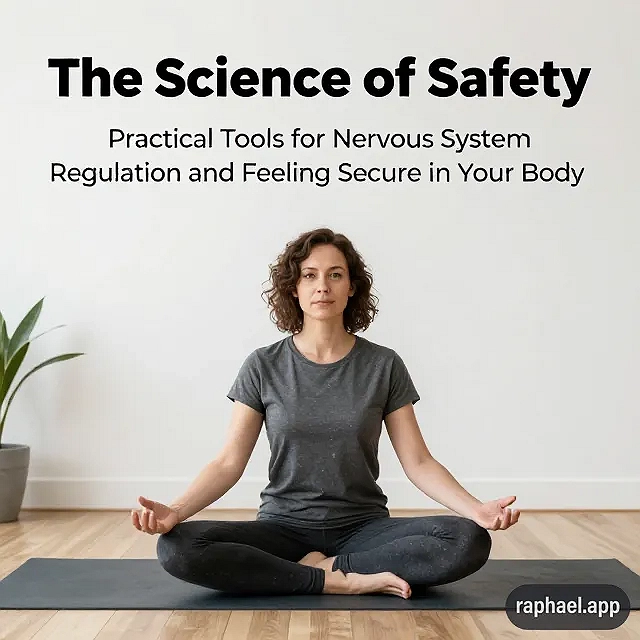



The Science of Safety: Practical Tools for Nervous System Regulation and Feeling Secure in Your Body
The Science of Safety: Practical Tools for Nervous System Regulation and Feeling Secure in Your Body
Picture this: You're sitting at your desk, heart pounding from a tense email. Your mind races, muscles tighten, and that constant buzz of unease won't quit. It's like your body is stuck in alert mode, even when nothing big is happening.
Your autonomic nervous system, or ANS, acts like an inner switchboard for safety. It decides if you feel calm or on edge. You can learn nervous system regulation skills to dial it back—it's a tool anyone can pick up, not some rare gift.
Tools like somatic practices help you feel safe in your body. They shift you from stress to ease. Let's dive into how this works and what you can do right now.
Understanding Your Internal Safety System: The Autonomic Nervous System (ANS)
The ANS runs your body's automatic responses. It has three key states from polyvagal theory. These guide how you react to the world around you.
Feeling unsafe isn't a flaw in you. It's your body's way to protect itself. When threats pop up, the ANS kicks in fast.
This system keeps you alive. But in daily life, it can overreact. Understanding it helps you take control.
Sympathetic Activation: The Fight or Flight Response
This state ramps up when danger seems near. Adrenaline surges, your heart beats faster, and breaths get short. Your body preps to run or fight.
Modern life sets it off often. Think jammed traffic or a work deadline. These small hits build up, leaving you wired.
Over time, this wears you down. You might snap at loved ones or lose sleep. Spotting it early lets you step in.
Common signs include sweaty palms or a knot in your stomach. Your eyes might dart around. Once you notice, you can shift gears.
Dorsal Vagal Shutdown: Freeze and Collapse
Here, your system goes the other way. It freezes to save energy in big threats. You feel numb or flat, like nothing matters.
People call this depression sometimes. But it's really a shutdown for safety. Fatigue hits hard, and motivation fades.
You might pull away from friends or zone out. Emotions go quiet. This state protects but traps you if it sticks.
Breaking out takes gentle moves. Your body needs signals it's okay now. Small steps rebuild your spark.
Ventral Vagal Complex: The Social Engagement System
This is your calm zone. It lets you connect and relax. Your face softens, voice steadies, and you feel present.
It's key for healing. In this state, rest comes easy. Bonds with others strengthen here.
Aim for this often. It builds a sense of safety in your body. Daily habits pull you toward it.
When active, digestion works better. Your heart rate evens out. You laugh more and worry less.
Grounding Techniques: Immediate Tools for Sympathetic De-escalation
Stuck in fight-or-flight? These somatic tools help quick. They tell your brain the threat is gone. Start with your body, not your thoughts.
You'll feel the shift fast. These work anywhere—office, car, home. Practice them to make calm your default.
They target the vagus nerve, a big player in regulation. Short sessions build trust in your body. Ready to try one?
Orienting and Visual Scanning (The Safe Environment Check)
Look around slow. Turn your head side to side. Notice colors, shapes, and calm spots.
This pulls focus from inside worries. Your vagus nerve wakes up. It signals all is well.
Try the 5-4-3-2-1 method:
- Name 5 things you see.
- Touch 4 items nearby.
- Hear 3 sounds.
- Smell 2 scents.
- Taste 1 thing, like your gum.
Do this for a minute. Tension eases. Use it when emails spike your pulse.
Deepening the Exhale: Manipulating the Vagus Nerve Directly
Long exhales calm the storm. They trigger your parasympathetic side. Heart rate drops, mind clears.
Inhale for four counts. Hold for seven. Exhale for eight. That's 4-7-8 breathing.
Or box it: In four, hold four, out four, hold four. Do five rounds. Feel your shoulders drop?
This fights shallow panic breaths. Studies show it cuts stress in minutes. Make it a habit before bed.
Temperature and Touch as Biofeedback
Cold water on your face sparks the dive reflex. It slows your heart fast. Splash and hold for 10 seconds.
Warmth helps too. A hot drink or bath soothes. Touch adds power—hug yourself tight.
Weighted blankets press deep. They mimic a safe hold. Grab one for evenings.
These tricks interrupt the cycle. Your body gets the "safe" memo. Experiment to find your go-to.
Somatic Practices for Building Long-Term Resilience
Quick fixes are great. But these build a stronger base. They train your nervous system over time.
Think of it as gym work for your insides. Regular practice ups your calm threshold. You handle life's ups and downs better.
Start small—five minutes a day. Track how you feel. Soon, safety feels natural in your body.
Movement and Tremoring (Pendulation)
Shake your arms or legs lightly. Rock side to side. This lets out stuck stress energy.
Pendulation means swinging between tense spots and easy ones. Notice tightness, then shift to comfort. Go back and forth slow.
Walk in nature. Let your body move free. No gym needed—just flow.
This releases old tension. You might feel lighter after. Do it weekly to boost resilience.
Mindful Interoception: Listening to Your Body's Signals
Interoception means tuning into inside feels. Check your gut or chest. What's the vibe there?
Sit quiet. Scan from head to toes. Note tension without fixing it.
Ask: Tight or loose? Warm or cool? Breathe into what you find.
No judgment—just observe. This builds body trust. Over weeks, you spot patterns early.
Journal your checks. Patterns show up. Adjust your day based on them.
The Power of Vocal Toning and Humming
Hum a tune low. Feel the buzz in your throat. It tickles the vagus nerve right there.
Chant "om" or gargle water. Vibrations spread calm. Your voice becomes a tool.
Do it in the shower or car. Keep it simple. Five hums shift your state.
This strengthens regulation long-term. Sing along to songs too. Joy amps it up.
Cultivating Safety Through Connection and Environment
Your nervous system loves company. Safe ties help it settle. You're not alone in this.
Build spots that scream "safe." Tweak your space for peace. Boundaries guard your energy.
These steps weave regulation into life. Connections heal deep. Start with one change today.
Co-Regulation Through Safe Relational Bonds
Hang with calm folks. Their steady vibe rubs off. Your heart syncs to theirs.
Chat eye-to-eye. Share a laugh. This ventral state kicks in.
Spot your safe people. Call them when edgy. A quick talk grounds you.
Pets count too. Pet a dog—oxytocin flows. Bonds like this restore fast.
Creating Sensory Sanctuaries at Home
Dim lights soft. Add plants or soft fabrics. Nature bits calm the senses.
Cut clutter. It quiets visual noise. Play gentle sounds if needed.
Make a corner just for you. Cozy chair, warm light. Retreat there daily.
These tweaks signal safety. Your body unwinds automatic. Test what feels best.
Setting Boundaries as Self-Protection
Say no to overload. It keeps your system from fry. Protect your peace firm.
Tell a friend, "I need quiet now." Practice scripts. It feels strong, not mean.
Boundaries aren't walls—they're shields. Your nervous system thanks you. Less drain, more calm.
Track wins. Each one builds confidence. You deserve this space.
Conclusion: Integrating Regulation into Daily Life
Your body craves safety. Tools like breath work, movement, and connections make it real. Nervous system regulation is a skill you grow.
Start with one technique. Orient in stress moments. Build with somatic practices.
Approach your responses kind. Curiosity beats blame. You're wired to thrive—give it time.
Feeling safe in your body changes everything. Try these today. Watch calm grow step by step.