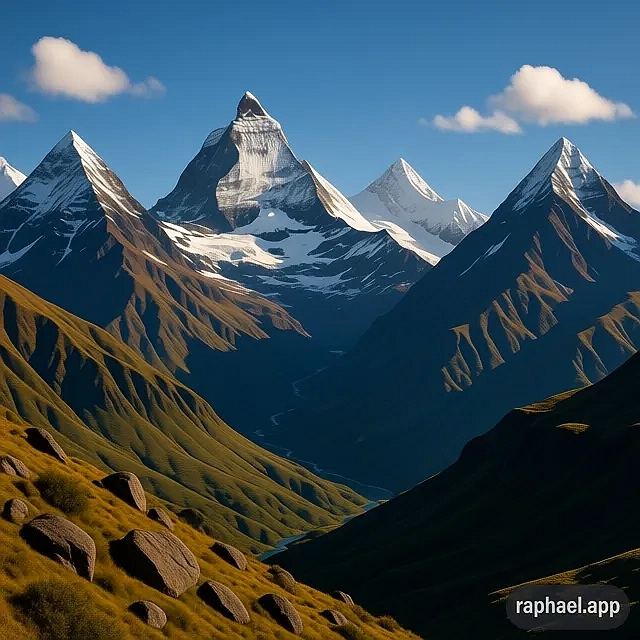




Majestic Summits: Unveiling Africa's Most Breathtaking Mountains.
Africa's landscape shifts from dry flatlands to tall peaks capped with ice. These mountains stand out against the vast plains and deserts. They draw climbers, hikers, and nature lovers from around the world.
This article takes you on a trip through Africa's key mountains. We will look at their heights, stories, and places in local cultures. From the snowy tops of East Africa to the rocky edges in the south, these spots show the continent's wild beauty. Get ready to explore ranges like the Atlas and Drakensberg. Each one holds secrets of geology, wildlife, and human life.
The Titans of East Africa: Volcanic Giants and the Rift Valley
East Africa's mountains rise from the Great Rift Valley. This huge crack in the earth formed from shifting plates over millions of years. Volcanic activity built these giants, making them hotspots for adventure and life.
The area boasts some of Africa's highest points. Climbers face steep paths and changing weather. Local tribes see these peaks as holy places tied to their myths.
Mount Kilimanjaro: Africa's Roof
Mount Kilimanjaro towers at 5,895 meters. It is the highest peak in Africa and stands alone, not part of any range. Snow and glaciers cling to its top, even near the equator. This mix surprises many visitors.
Climbing Kilimanjaro takes five to nine days. Popular routes include Machame, with its views of forests and moors, and Marangu, the easiest path with huts for rest. You pass through five zones: farmland, rainforest, heath, alpine desert, and arctic summit.
Success rates hover around 65 percent for climbers. Altitude sickness hits many, so go slow. The mountain draws over 50,000 trekkers each year. It shapes Tanzania's economy through fees and jobs.
Mount Kenya: The Sacred Peaks
Mount Kenya reaches 5,199 meters at its highest points, Batian and Nelion. Jagged rocks and ice make it look sharp, unlike Kilimanjaro's dome shape. Glaciers here are shrinking fast from warming air.
The Kikuyu people call it Kirinyaga, a sacred home for their god Ngai. They avoid the peaks out of respect. Climbers use routes like Chogoria for its bamboo forests and gorges.
This mountain hosts unique plants, like giant lobelias. It sits in a national park with elephants and leopards below. About 20,000 people climb it yearly, testing skills on technical faces.
Rwenzori Mountains: The "Mountains of the Moon"
The Rwenzori range spans Uganda and the Democratic Republic of Congo. Its tallest point, Margherita Peak, hits 5,109 meters. Thick mists often hide the views, earning its moon name from ancient maps.
Giant plants thrive here, such as groundsels taller than a person and lobelias like tree stumps. These adapt to cold, wet heights. Trails wind through bogs and bamboo.
The range holds 18 glaciers, down from more in the past. Park rangers protect it from poachers. Hikers spot birds like turacos amid the clouds.
The Atlas Range: The Gateway to the Sahara
North Africa's Atlas Mountains stretch over 2,000 kilometers. They block moist winds from the sea, creating dry Sahara lands inland. Berber villages dot the slopes, blending old ways with modern life.
This chain formed 80 million years ago from tectonic clashes. It influences weather and trade routes. Peaks offer hikes year-round, from spring blooms to winter snow.
Jebel Toubkal: The Moroccan Majesty
Jebel Toubkal stands at 4,167 meters, the top of the Atlas and North Africa. It lies close to Marrakech, just a few hours by road. Summers bring wildflowers; winters, ski slopes on its faces.
The normal route takes two days up and down. You start in the village of Imlil, passing walnut groves and streams. Chains help on the final rocky push.
Over 10,000 climbers visit each year. It suits beginners yet challenges experts in bad weather. Local guides share tales of ancient nomads.
Cultural Significance and Berber Heritage
Berbers have lived in the Atlas for thousands of years. They herd goats on terraced hills and weave rugs with mountain patterns. Peaks like Toubkal feature in folklore as homes for spirits.
Settlements cling to cliffs for defense. Festivals mark sheep shearing and harvests. Tourism now mixes with traditions, but elders guard old songs and crafts.
These mountains shaped invasions and trade. Roman coins still turn up in digs. Berber language echoes in valley calls.
Southern Africa's Escarpments: Ancient Geology and Dramatic Views
Southern Africa's mountains come from old rock layers, worn by time and rain. Escarpments drop sharply, forming borders and views. They hold fossils from 200 million years ago.
Biodiversity shines here, with plants found nowhere else. Trails lead to caves and cliffs. These ranges link to ancient supercontinents.
The Drakensberg: Dragon's Back
The Drakensberg rises to 3,482 meters at Thabana Ntlenyana. Its name means dragon mountains, from sharp ridges like a beast's spine. The Amphitheatre walls tower 1,000 meters high.
Tugela Falls plunge 983 meters, second only to Angel Falls. Water roars over basalt edges into misty pools. Hike the chain ladders for close looks, but hold tight.
This UNESCO site protects San bushmen art, over 4,000 years old. Paintings show hunts and spirits on cave walls. Grasslands below host eland and jackals.
Protecting Flora: The Cape Fold Mountains
The Cape Fold Mountains fold like an accordion from 300 million years back. Table Mountain tops 1,086 meters, guarding Cape Town. Winds whip its flat top clean.
Fynbos covers the slopes, a biome with 9,000 plant types. Proteas bloom in fiery reds and pinks. Fires renew this tough vegetation.
Hikes like Pipe Track offer sea views. Parks fight invasive plants to save natives. Over 70 percent of species grow only here.
Ethiopia's Highlands: The Cradle of Terraced Landscapes
Ethiopia's highlands cover a fourth of the land, averaging 2,000 meters high. Volcanoes and faults built them over 30 million years. Rivers carve deep valleys for farms.
These plateaus cradle human history, from early fossils to old churches. Cool air grows coffee and teff. Paths wind past stone villages.
Ras Dashen: The Horn of Africa's Apex
Ras Dashen peaks at 4,550 meters in the Simien Mountains. It overlooks chasms and gelada baboon troops. Endemics like the Walia ibex climb sheer cliffs.
The park trails span 10 days, with camps amid heather zones. Views stretch to Sudan on clear days. Over 1,000 ibex roam, watched by scouts.
Geladas munch grass like lions' manes in pink. Parks track numbers to fight habitat loss. Climbs reward with star-filled nights.
Historical and Agricultural Importance
Highlands fed Ethiopia for ages with terrace farms. Stone walls hold soil on 45-degree slopes. Coffee bushes dot misty sides, exporting beans worldwide.
Axum kings ruled from here 2,000 years ago. Churches like Lalibela carve into rock. Terraces date to 500 BC, boosting yields.
Droughts hit hard, so locals use drip irrigation now. Crops include barley and enset, a banana-like staple. This land birthed coffee legends.
Actionable Advice for African Mountain Adventures
Planning a trip to Africa's mountains needs care. Weather flips fast, and paths demand fitness. Start with research on permits and seasons.
Pack smart for safety. Local help makes trips smoother and supports communities.
Essential Gear and Acclimatization Strategies
Layer clothes for Kilimanjaro's 40-degree swings from base to top. Wool base, fleece mid, and waterproof shell work best. Sturdy boots grip wet rocks; trekking poles ease knees.
Acclimatize by resting every 1,000 meters gained. Drink three liters of water daily to fight headaches. Sleep low, climb high each day.
- Boots: Waterproof with good ankle support.
- Backpack: 40-50 liters for multi-day treks.
- Headlamp: For early starts or cave explores.
- First aid: Include altitude meds like diamox.
Responsible Tourism and Conservation Ethics
Tourism stresses thin soils and rare plants. Stick to trails to avoid erosion. Pack out all trash; use eco-bags for waste.
Choose operators who train staff in low-impact methods. Watch for fair pay—porters earn $10-15 daily on Kilimanjaro.
- Tip porters well; it builds community trust.
- Avoid single-use plastics in parks.
- Join clean-up days if offered.
Verify guides through associations like the East African Wildlife Society. This ensures ethical trips that help, not harm.
Conclusion: The Enduring Majesty of Africa's Peaks
Africa's mountains span volcanoes, folds, and escarpments. They hold cultural ties, from Berber tales to San art. Geology tells of rifts and crashes shaping the land.
These peaks influence rains, farms, and wildlife homes. Conservation fights climate threats to glaciers and species. They define Africa's spirit—tough, diverse, alive.
Lace up your boots. Head to these summits. Your adventure aids their guard. What peak calls you first?