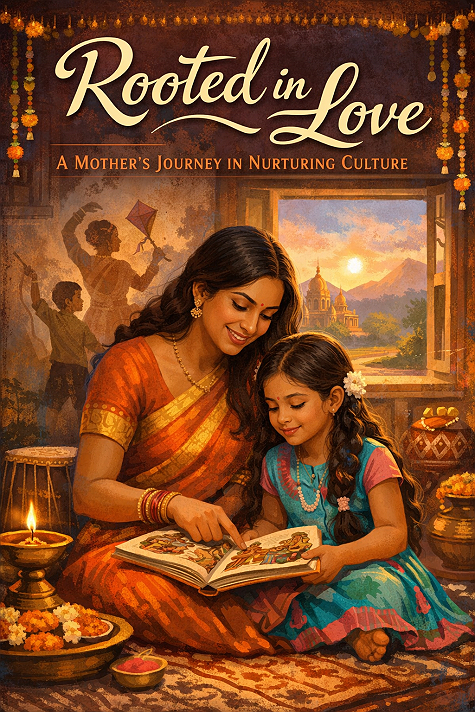






Title: Rooted in Love – A Mother’s Role in a Child’s Cultural Upbringing
Chapter 1: The Village of Traditions
In a peaceful village surrounded by tall trees and wide rivers lived a woman named Amara and her young daughter Lina. The village was known for its beautiful traditions—colorful festivals, songs passed down for generations, and stories told by elders under the moonlight.
Amara believed that culture was the heart of a community. She often said,
“If a child knows where they come from, they will always know where they are going.”
Every evening, Lina sat beside her mother as Amara told stories about their ancestors—brave people who built the village and protected its traditions.
Lina listened carefully, her eyes full of wonder.
Chapter 2: Lessons Beyond the Classroom
Lina went to school every day, where she learned mathematics, science, and reading. But Amara knew that a child’s education was not only in books.
At home, she taught Lina the things that made their culture special.
She showed her how to greet elders with respect.
She taught her traditional songs and dances.
She explained the meaning behind their festivals.
One afternoon while they cooked together, Lina asked,
“Mother, why is it important to learn all these things?”
Amara smiled gently and replied,
“Because culture is like a tree. We are the branches, but our traditions are the roots. Without roots, the tree cannot stand.”
Chapter 3: The Festival of Heritage
One year, the village prepared for its biggest celebration—the Festival of Heritage. Everyone wore traditional clothes, cooked special meals, and shared stories from the past.
Amara helped Lina prepare her first traditional dress. It was bright and beautiful.
During the festival, Lina performed a cultural dance with other children. The crowd clapped loudly, and Amara watched proudly.
For the first time, Lina truly felt connected to her people.
She realized that culture was not just something her mother talked about—it was something to live and celebrate.
Chapter 4: Passing the Torch
Years passed, and Lina grew older. The lessons her mother taught her stayed in her heart.
Whenever younger children asked questions about their traditions, Lina happily shared the stories her mother once told her.
One evening she sat beside Amara and said,
“Mother, now I understand. Culture is not only about the past. It is something we must carry into the future.”
Amara nodded proudly.
“That is why mothers teach their children. One day, you will teach yours too.”
Chapter 5: Roots That Never Fade
Even when Lina left the village to study in the city, she never forgot her mother’s words.
She spoke her language with pride.
She celebrated her traditions.
She told stories about her culture to friends from different places.
And whenever she returned home, she sat beside Amara again, listening to the same stories that shaped her childhood.
Because Lina knew something important:
A mother’s love and cultural teachings are roots that never fade.
Moral of the Story:
Mothers play an important role in teaching children their culture, values, and identity. When children understand their cultural roots, they grow with confidence and respect for their heritage.
Chapter 1: The Village of Traditions
In a peaceful village surrounded by tall trees and wide rivers lived a woman named Amara and her young daughter Lina. The village was known for its beautiful traditions—colorful festivals, songs passed down for generations, and stories told by elders under the moonlight.
Amara believed that culture was the heart of a community. She often said,
“If a child knows where they come from, they will always know where they are going.”
Every evening, Lina sat beside her mother as Amara told stories about their ancestors—brave people who built the village and protected its traditions.
Lina listened carefully, her eyes full of wonder.
Chapter 2: Lessons Beyond the Classroom
Lina went to school every day, where she learned mathematics, science, and reading. But Amara knew that a child’s education was not only in books.
At home, she taught Lina the things that made their culture special.
She showed her how to greet elders with respect.
She taught her traditional songs and dances.
She explained the meaning behind their festivals.
One afternoon while they cooked together, Lina asked,
“Mother, why is it important to learn all these things?”
Amara smiled gently and replied,
“Because culture is like a tree. We are the branches, but our traditions are the roots. Without roots, the tree cannot stand.”
Chapter 3: The Festival of Heritage
One year, the village prepared for its biggest celebration—the Festival of Heritage. Everyone wore traditional clothes, cooked special meals, and shared stories from the past.
Amara helped Lina prepare her first traditional dress. It was bright and beautiful.
During the festival, Lina performed a cultural dance with other children. The crowd clapped loudly, and Amara watched proudly.
For the first time, Lina truly felt connected to her people.
She realized that culture was not just something her mother talked about—it was something to live and celebrate.
Chapter 4: Passing the Torch
Years passed, and Lina grew older. The lessons her mother taught her stayed in her heart.
Whenever younger children asked questions about their traditions, Lina happily shared the stories her mother once told her.
One evening she sat beside Amara and said,
“Mother, now I understand. Culture is not only about the past. It is something we must carry into the future.”
Amara nodded proudly.
“That is why mothers teach their children. One day, you will teach yours too.”
Chapter 5: Roots That Never Fade
Even when Lina left the village to study in the city, she never forgot her mother’s words.
She spoke her language with pride.
She celebrated her traditions.
She told stories about her culture to friends from different places.
And whenever she returned home, she sat beside Amara again, listening to the same stories that shaped her childhood.
Because Lina knew something important:
A mother’s love and cultural teachings are roots that never fade.
Moral of the Story:
Mothers play an important role in teaching children their culture, values, and identity. When children understand their cultural roots, they grow with confidence and respect for their heritage.