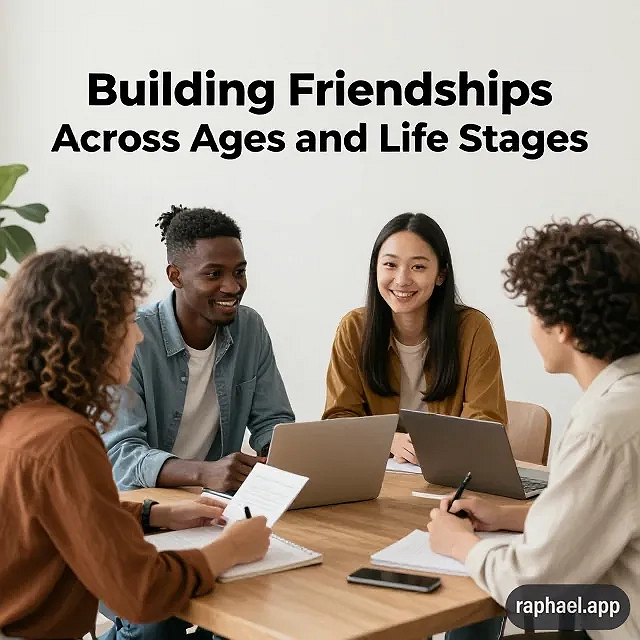




Building Friendships Across Ages and Life Stages
Building Friendships Across Ages and Life Stages
Picture this: You're at a coffee shop, chatting with folks your own age about the latest trends. It's fun, but something feels off. Your circle lacks the depth that comes from voices shaped by decades of ups and downs.
Friendships that span ages and life stages bring real rewards. They mix emotional support, sharp insights, and hands-on help. In our busy world, where communities often split apart, these bonds fill a key gap. They pass down wisdom from elders and spark fresh views from the young. Plus, they fight the loneliness that hits during big changes like starting a job or retiring.
Understanding the Barriers to Cross-Generational Friendships
People stick to friends in the same age group for good reasons. Life pulls us in different directions, making it hard to connect across gaps. Yet spotting these hurdles is the first step to jumping over them.
Different Life Priorities and Rhythms
Your schedule might clash with someone twice your age. Young adults grind through long work hours or juggle new kids. Older folks enjoy more free time but deal with health checkups or family visits.
These rhythms rarely sync up. A parent in their 30s might crave quick meetups after bedtime routines. Someone retired could push for leisurely lunches that eat into a packed day. Over time, these mismatches lead to fewer invites and fading sparks.
Perceived Mismatches in Experience and Cultural Context
We worry that big age differences mean little in common. Stereotypes paint elders as out of touch with pop culture or tech. Younger people get seen as flighty or glued to screens.
Shared stories from the past help bridge this, but gaps in references—like missing the same movies or music—can stall talks. Tech divides add friction too. Not everyone scrolls TikTok or texts with emojis the same way. These views keep us from trying, even when real chats could surprise us.
Social Structures and "Third Places"
Modern life sorts us by stages, not by chance meetings. Think parent playgroups for moms and dads. College clubs draw students. Senior centers host games for retirees.
These spots limit mixing. We lose the old "third places" like neighborhood bars or parks where all ages bumped into each other. Now, apps and events keep groups siloed. This setup starves us of diverse friendships before they start.
The Unique Benefits of Diverse Friendships
Cross-age bonds offer perks that same-age groups can't match. They enrich your world in ways that build strength and joy. Both sides gain from the give and take.
Mentorship and Wisdom Transfer
Older friends share lessons from years of trial and error. They give advice on big choices, like buying a home or handling loss. Younger pals teach the ropes of social media or gig jobs.
This swap keeps minds fresh. Ask for tips on a specific issue, like resume tweaks or recipe tweaks, to keep chats focused and helpful. Studies show these ties boost learning. One report from Harvard found that intergenerational chats improve problem-solving skills by 20 percent.
Emotional Resilience and Perspective Broadening
Life stages shape how we handle tough days. A teen might vent about school stress with quick fixes. An elder draws from past hardships to show long-term hope.
These views build your toolkit for emotions. You learn to bounce back faster. Research from the American Psychological Association links diverse networks to lower stress levels. People with mixed-age friends report 15 percent less anxiety during changes.
Preventing Isolation Across the Lifespan
Loneliness strikes hard at turns like empty nests or first jobs. Diverse friends act as anchors. They remind you that struggles pass and joys await.
These ties cut isolation risks. AARP data reveals that adults over 50 with younger contacts feel 30 percent less alone. For youth, elder bonds provide steady support amid fast shifts.
Practical Strategies for Initiating and Nurturing Diverse Bonds
Ready to build these links? Start small and stay open. Simple steps turn strangers into solid friends.
Finding Common Ground Beyond Age
Look for shared passions first. Hobbies like gardening or hiking draw all ages. Volunteering at food banks or animal shelters mixes crowds naturally.
Join a mixed-age group, such as a community garden club. There, you bond over dirt and plants, not birth years. Books or art classes work too. They spark talks that ignore timelines.
Mastering the Art of Mutual Exchange
Give and take keeps things balanced. Share your skills without talking down. If you're young, offer help with apps. Elders might trade stories or cooking know-how.
Reciprocity builds trust. Take Sarah, a 25-year-old graphic designer. She teamed up with retiree Tom for a skill swap: she taught him photo editing; he showed her woodworking. Now they collaborate on projects, stronger for it.
Leveraging Technology as a Connector, Not a Divider
Apps unite us across miles and years. Online book clubs on Goodreads pull in readers from teens to grandparents. Gaming groups like those on Discord host teams of all ages.
Pick platforms that fit shared interests. Video calls make face-to-face easy. Just ease into tech if needed—start with simple emails. This way, screens bring people closer, not further.
Navigating Dynamics and Maintaining Healthy Boundaries
These friendships thrive with care. Clashes happen, but smart handling keeps them strong. Set clear lines early.
Handling Generational Misunderstandings
Values differ by era. One might see work ethic as nonstop hustle; another as balanced rest. When friction hits, pause and ask what they mean.
Listen without judging. Psychologist Jane Johnson notes, "Clarify with questions like 'What shaped that view for you?' It turns tension into understanding." This respect deepens the bond.
Defining the Relationship Structure
Decide if it's mentorship, buddy support, or light chats. Talk it out to match hopes. A mentor role might mean regular advice sessions.
This clarity avoids letdowns. If it shifts to peers over time, roll with it. Boundaries protect both sides.
Sustaining Momentum Through Transitions
Life changes test ties. A friend gets a new job or becomes a grandparent. Adapt by checking in more or tweaking meetups.
Send quick texts during busy spells. Celebrate their shifts. These efforts keep the friendship alive through storms.
Conclusion: The Richness of a Multi-Aged Social Tapestry
Diverse friendships across ages and life stages weave a fuller life. They offer wisdom, fresh eyes, and shields against loneliness. From mentorship swaps to emotional boosts, the gains touch every part of you.
Step out today. Join a club or chat with someone new at an event. Reach beyond your usual crowd.
In the end, these bonds make our communities tougher. They remind us we're all in this together, no matter the years between. Your next great friend might just be waiting across the age line.